Regenerative medicine has generated significant interest among patients looking for non-surgical treatment options for joint pain, tendon injuries, and musculoskeletal conditions. One of the most common questions patients ask is: Am I a candidate for autologous stem cell therapy?
Understanding stem cell therapy candidacy can help patients make informed decisions and determine whether it is worth discussing regenerative treatments with a medical provider. This guide explains who qualifies for stem cell treatment and the key factors doctors consider when evaluating autologous stem cell patient criteria.
What Is Autologous Stem Cell Therapy?
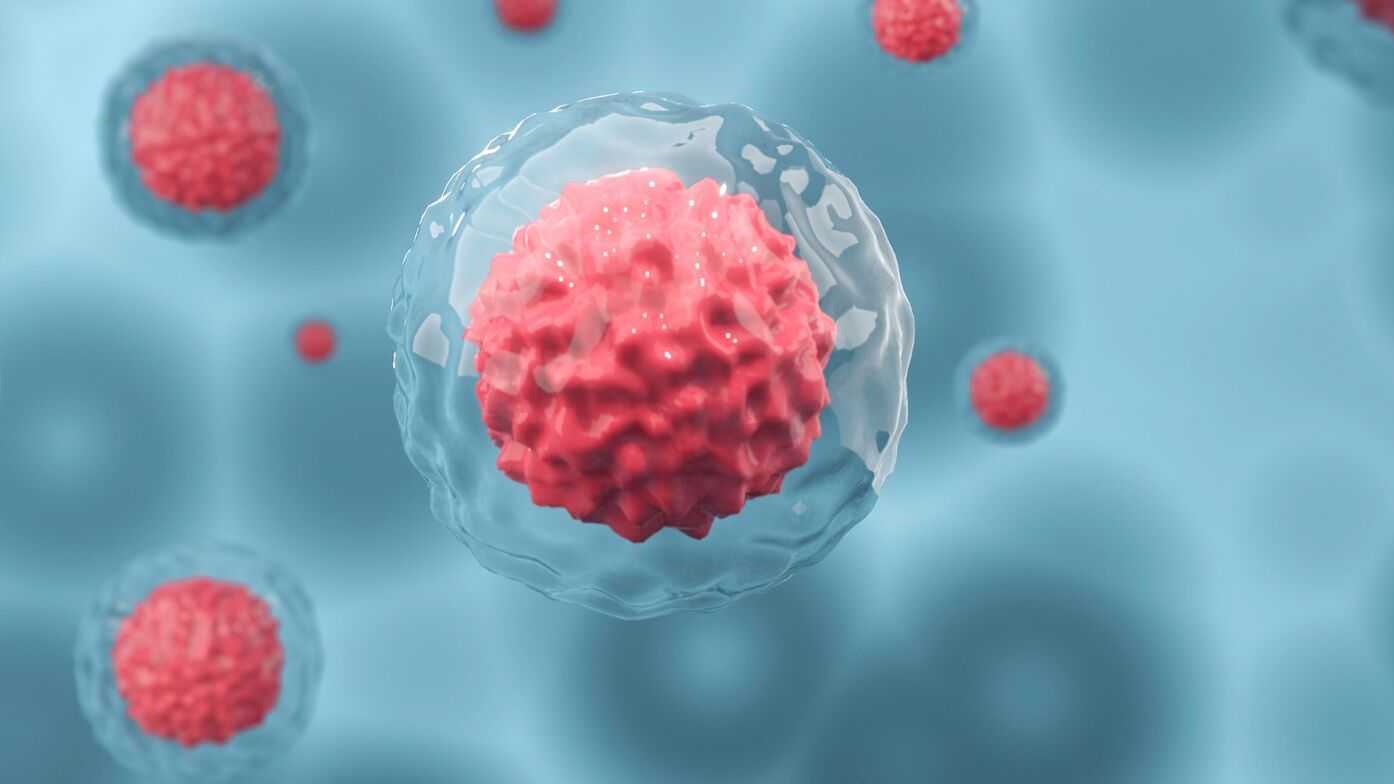
Autologous stem cell therapy is a regenerative medicine procedure that uses stem cells derived from a patient’s own body. The word autologous means the cells originate from the same individual receiving treatment.
These regenerative cells may contain biological signals that help support the body’s natural repair processes. Because the cells come from the patient’s own tissue, the risk of immune rejection is typically lower than donor-based therapies.
Conditions Often Evaluated for Stem Cell Therapy
Autologous stem cell therapy is commonly explored for certain musculoskeletal conditions, including:
- Knee osteoarthritis
- Joint degeneration
- Ligament injuries
- Tendon damage
- Sports-related injuries
- Chronic joint inflammation
Many patients combine regenerative treatments with rehabilitation programs such as Physical Therapy to improve strength, mobility, and recovery outcomes.
Key Factors Doctors Evaluate for Stem Cell Therapy Candidacy
1. The Severity of the Condition
One of the most important factors in determining stem cell therapy candidacy is the severity of the underlying condition.
Patients with mild to moderate tissue damage may be more likely to benefit from regenerative treatments compared to individuals with advanced structural degeneration.
For example, patients with early or moderate osteoarthritis may be evaluated differently from those with severe joint collapse requiring surgical reconstruction.
2. Overall Health Status
Doctors also consider the patient’s overall health when determining who qualifies for stem cell treatment.
Factors that may influence candidacy include:
- Chronic health conditions
- Immune system health
- Metabolic conditions such as diabetes
- Smoking status
Healthy biological environments may support better regenerative responses.
3. Age and Biological Factors
Age alone does not necessarily disqualify someone from regenerative therapies, but biological factors associated with aging may influence treatment outcomes.
Providers evaluate whether a patient’s tissues may respond appropriately to regenerative signals before recommending treatment.
4. Previous Treatments Attempted
Doctors often evaluate what treatments have already been attempted. Many patients exploring regenerative medicine have previously tried options such as:
- Physical therapy
- Medication
- Corticosteroid injections
- Activity modification
In some cases, regenerative therapies are considered after conservative care has not provided sufficient relief.
5. Lifestyle and Activity Goals
A patient’s activity level and long-term goals are also important considerations. Athletes and active individuals may pursue regenerative treatments to restore mobility and maintain an active lifestyle.
6. Imaging and Diagnostic Findings
Medical imaging such as MRI or X-rays may help providers evaluate the condition of the affected joint or tissue.
These diagnostic tools help determine whether regenerative therapy may be appropriate or whether other treatments should be considered.
Who May Not Be an Ideal Candidate?
Although regenerative medicine offers promising possibilities, it may not be appropriate for every patient.
Patients who may require alternative treatment approaches include those with:
- Severe joint destruction
- Advanced osteoarthritis with bone-on-bone damage
- Active infections
- Certain systemic health conditions
A qualified provider must evaluate each patient individually to determine the most appropriate treatment plan.
The Role of Rehabilitation After Regenerative Treatments
Even when regenerative therapies are used, rehabilitation remains essential. Strengthening the muscles surrounding injured joints helps support long-term recovery and reduce stress on healing tissues.
Many patients benefit from programs such as Physical Therapy to improve movement mechanics and joint stability.
Some individuals also incorporate supportive care, such as Chiropractic Care, to improve joint mobility and reduce mechanical stress.
Stem Cell Therapy Consultation in Miami
If you are researching who qualifies for stem cell treatment or exploring regenerative medicine options, a professional evaluation can help determine whether you may be a candidate.
To speak with our team, call (305) 673-8248 or schedule a consultation here: https://ptcmiami.com/contact.
Frequently Asked Questions
Who qualifies for stem cell therapy?
Patients with mild to moderate musculoskeletal conditions, such as tendon injuries, ligament damage, or early osteoarthritis, may be evaluated as candidates for regenerative therapies.
Is age a factor in stem cell therapy candidacy?
Age can influence biological healing capacity, but candidacy is typically based on overall health, severity of the condition, and treatment goals rather than age alone.
Do patients need imaging before stem cell treatment?
Many providers use imaging studies such as MRI or X-rays to evaluate tissue damage and determine whether regenerative treatments may be appropriate.
Can stem cell therapy replace surgery?
In some cases, regenerative treatments may be explored before surgical options, particularly for mild or moderate conditions. Severe structural damage may still require surgical intervention.
How do I schedule a consultation in Miami?
Call (305) 673-8248 or visit https://ptcmiami.com/contact to request an appointment.
Joseph Hudson
Contact Me