Advances in regenerative medicine are creating new treatment strategies that support the body’s natural healing abilities. One of the most promising approaches involves combining autologous stem cells with high-density platelet-rich plasma (PRP). This technique, often referred to as stem cells and PRP combined therapy, aims to enhance the biological environment for tissue repair.
Patients researching PRP stem cell combination treatment are often seeking non-surgical options for joint pain, tendon injuries, and chronic musculoskeletal conditions. In this guide, we explain how this regenerative approach works and why combining these therapies may provide synergistic benefits.
Understanding Autologous Stem Cells
Autologous stem cells are regenerative cells derived from a patient’s own body, commonly from bone marrow or adipose tissue. These cells contain signaling molecules that may help regulate inflammation, stimulate tissue repair, and support regeneration in damaged areas.
Because the cells originate from the patient’s own tissue, the risk of immune rejection is significantly reduced compared to donor-based therapies.
What is High-Density PRP?
Platelet-rich plasma (PRP) is created by processing a small sample of a patient’s blood to concentrate platelets. Platelets contain growth factors that help coordinate healing responses within the body.
High density PRP refers to PRP preparations that contain higher concentrations of platelets compared to standard PRP protocols. These concentrated platelets release biological signals that may help support tissue regeneration.
Why Combine Stem Cells and PRP?
When used together, stem cells and PRP may complement each other. Stem cells act as regenerative building blocks, while PRP provides growth factors that help activate cellular repair processes.
This combination may help create an environment that supports tissue healing more effectively than either therapy alone.
Researchers studying stem cells and PRP combined therapy suggest the interaction between stem cells and platelet growth factors may help:
- Enhance cell signaling involved in tissue repair
- Support regeneration of damaged tissues
- Improve the healing environment around injured joints or tendons
- Encourage collagen production and tissue remodeling
Conditions Commonly Evaluated for PRP and Stem Cell Combination Therapy
Regenerative medicine approaches are often explored for musculoskeletal conditions that may benefit from enhanced healing signals.
Conditions that may be evaluated include:
- Knee osteoarthritis
- Shoulder injuries
- Tendonitis and tendon degeneration
- Ligament injuries
- Chronic joint inflammation
- Sports-related injuries
Patients undergoing regenerative therapies often combine treatments with rehabilitation programs such as Physical Therapy to restore strength, mobility, and movement mechanics.
The Regenerative Medicine Procedure
Although treatment protocols may vary, the general process for combined PRP and stem cell therapy typically includes several steps.
Step 1: Cell Collection
Regenerative cells are collected from the patient, commonly from bone marrow or adipose tissue depending on the treatment protocol.
Step 2: PRP Preparation
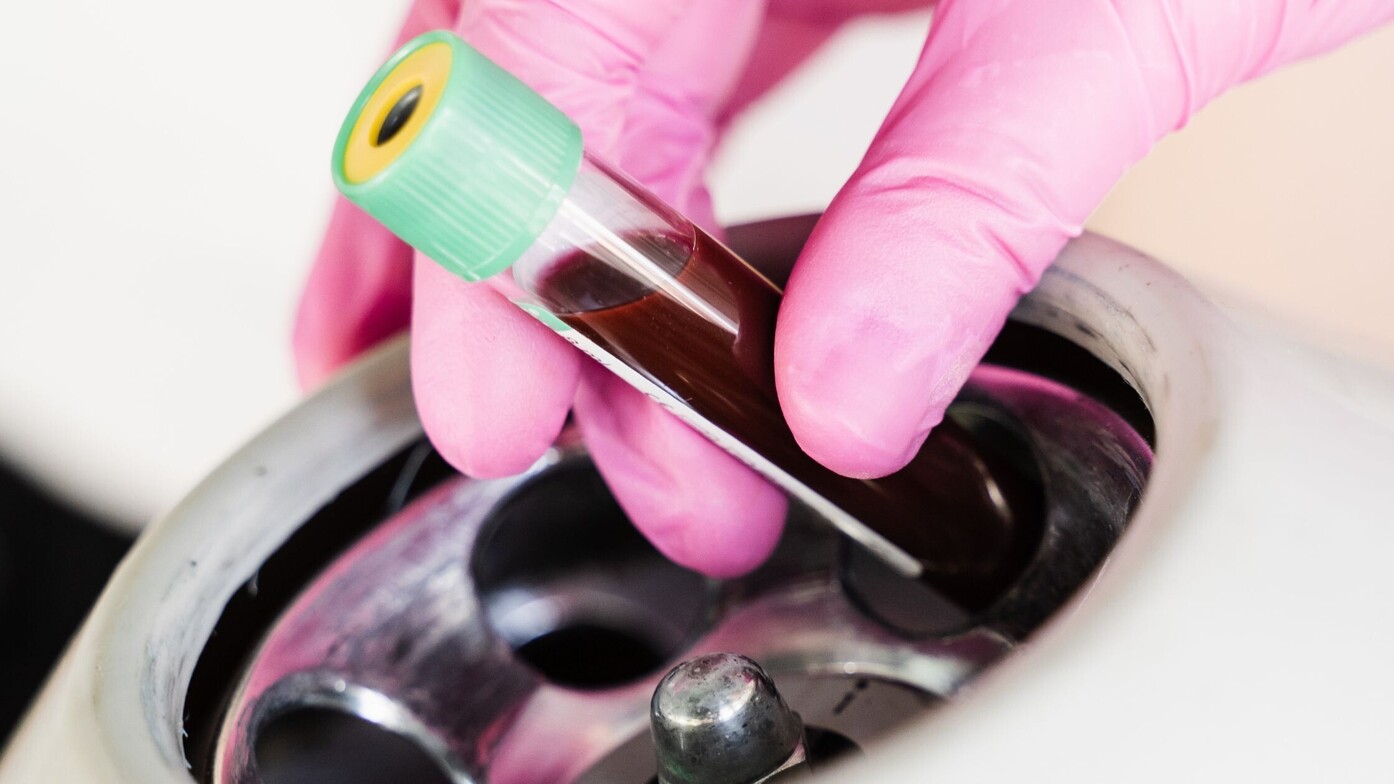
A blood sample is processed using specialized centrifuge equipment to isolate high-density platelet-rich plasma.
Step 3: Regenerative Injection
The stem cells and PRP are prepared and delivered to the treatment area, typically using image-guided techniques for accuracy.
How PRP Supports Stem Cell Activity
Platelets release growth factors such as PDGF, VEGF, and TGF-β that act as biological messengers within injured tissue. These growth factors help activate regenerative cells and encourage tissue repair processes.
When stem cells are introduced into a PRP-rich environment, they may receive stronger signals that support cellular activity and healing responses.
The Role of Rehabilitation in Regenerative Medicine
Even with advanced regenerative therapies, rehabilitation remains an important component of recovery. Strengthening surrounding muscles helps support joint stability and prevent reinjury.
Patients may benefit from structured rehabilitation programs such as Physical Therapy designed to restore proper biomechanics and movement patterns.
In some cases, supportive treatments like Chiropractic Care may also help improve joint mobility and reduce mechanical stress on healing tissues.
Is Combination Regenerative Therapy Safe?
Both PRP and autologous stem cell therapies use biological material derived from the patient’s own body. This autologous approach reduces the risk of immune rejection or allergic reaction.
However, outcomes can vary depending on the specific condition being treated, patient health, and treatment protocols. A qualified medical evaluation is necessary to determine whether regenerative medicine may be appropriate.
Regenerative Medicine in Miami
Patients researching regenerative medicine Miami options often seek non-surgical approaches for joint pain, injuries, or degenerative conditions.
To learn whether regenerative therapies may be appropriate for your condition, call (305) 673-8248 or schedule a consultation at https://ptcmiami.com/contact.
Frequently Asked Questions
What is stem cell and PRP combined therapy?
Stem cell and PRP combined therapy is a regenerative medicine approach that uses autologous stem cells and platelet-rich plasma to support tissue repair and healing.
Why combine stem cells with PRP?
PRP contains growth factors that help activate regenerative cells, which may enhance the healing environment when used together with stem cell therapy.
What conditions may benefit from PRP and stem cell therapy?
These regenerative therapies are commonly used to treat joint pain, osteoarthritis, tendon injuries, ligament damage, and sports-related musculoskeletal conditions.
Is regenerative medicine a replacement for surgery?
Regenerative treatments may be considered as non-surgical options for certain conditions, although severe structural damage may still require surgical treatment.
How do I schedule a regenerative medicine consultation in Miami?
Call (305) 673-8248 or visit https://ptcmiami.com/contact to request an appointment.
Joseph Hudson
Contact Me