Joint pain can make everyday activities difficult, whether it is knee discomfort when climbing stairs, shoulder pain during workouts, or persistent stiffness in the hips or elbows. Many patients searching for alternatives to surgery are now exploring high-density PRP for joint pain.
Platelet-Rich Plasma (PRP) therapy is a regenerative treatment that uses components from your own blood to support the body’s natural healing response. For some patients, PRP therapy instead of surgery may be an option when conservative care is appropriate.
If you are researching non-surgical joint treatment in Miami, understanding how high-density PRP works and when it may be considered can help you make a more informed decision.
What is High-Density PRP?
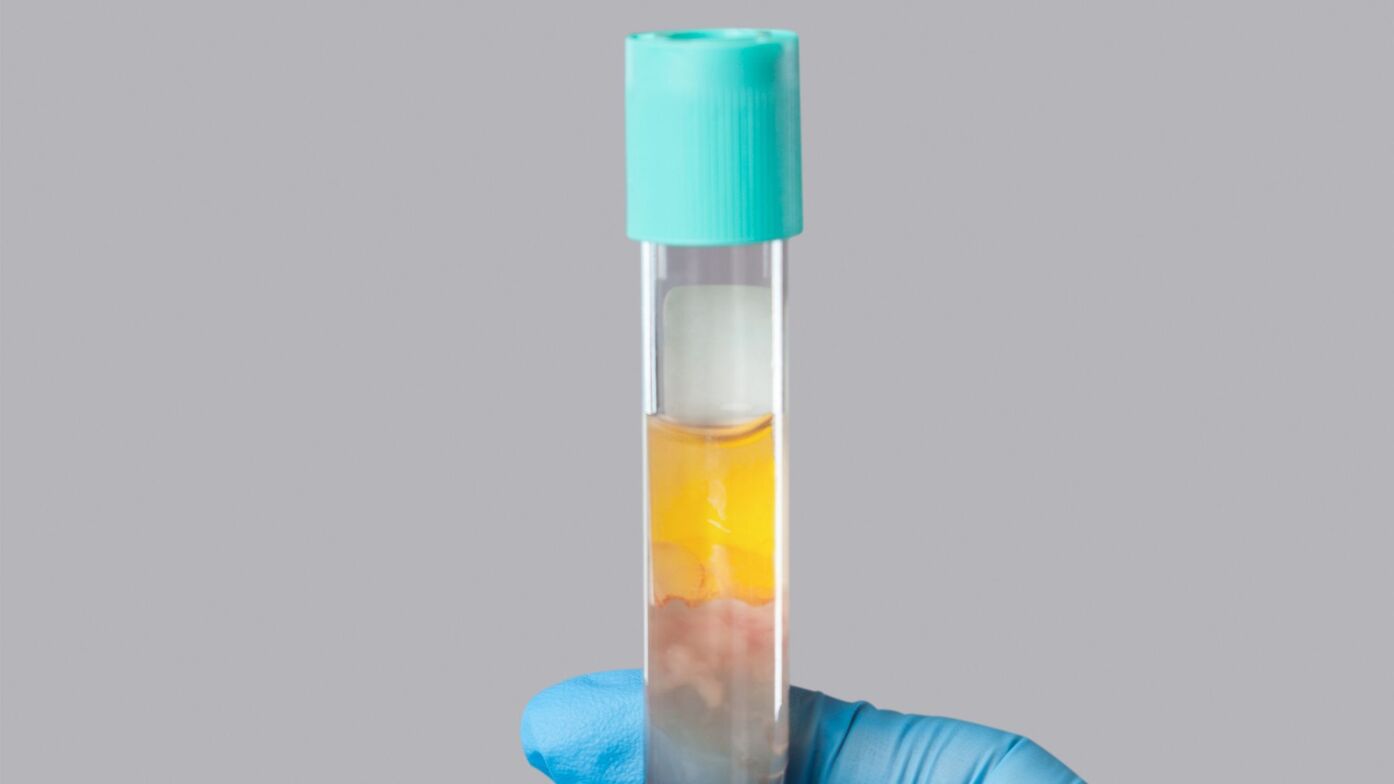
PRP stands for platelet-rich plasma. Platelets are components of your blood that contain growth factors involved in tissue repair and healing. In PRP therapy, a small amount of the patient’s blood is drawn and processed to concentrate platelets.
High-density PRP refers to a preparation where platelets are concentrated at higher levels than standard PRP methods. This concentrated preparation may contain increased levels of growth factors that play a role in the healing process.
How PRP Therapy Works
PRP therapy is designed to support the body’s natural regenerative mechanisms rather than replacing damaged tissue surgically.
A typical PRP treatment process includes:
- Drawing a small sample of the patient’s blood
- Processing the blood using specialized centrifuge equipment
- Separating and concentrating platelet-rich plasma
- Injecting the PRP into the affected joint or tissue
Because PRP is derived from the patient’s own blood, the risk of immune rejection is very low.
Joint Conditions Commonly Treated with PRP
PRP therapy is often explored as part of treatment plans for several musculoskeletal conditions, including:
- Knee osteoarthritis
- Shoulder joint injuries
- Hip joint irritation
- Tendon injuries
- Ligament sprains
- Chronic inflammation around joints
Patients often combine PRP therapy with rehabilitation programs such as Physical Therapy to support joint strength and function during recovery.
Can PRP Therapy Replace Surgery?
PRP therapy is not intended to replace surgery in all situations. However, it may be considered for certain patients who want to explore conservative treatment options before undergoing surgical procedures.
PRP may be considered when:
- Joint pain is caused by early or moderate degeneration
- Patients want to delay surgery if possible
- Conservative treatments have not fully resolved symptoms
- The goal is to support tissue healing and reduce inflammation
In cases involving severe structural damage or advanced joint degeneration, surgical options may still be necessary.
Benefits of High-Density PRP for Joint Pain
High-density PRP preparations aim to deliver a greater concentration of growth factors to the treatment area. Potential advantages may include:
- Enhanced regenerative signaling
- Support for natural healing responses
- Reduced inflammation in affected tissues
- Potential improvement in joint function
Results vary depending on the condition, injury severity, and overall treatment plan.
PRP Therapy vs Surgery
| Factor | PRP Therapy | Surgery |
|---|---|---|
| Invasiveness | Minimally invasive injection | Operative procedure |
| Recovery Time | Often a shorter recovery period | Weeks to months of recovery |
| Hospital Stay | Typically outpatient | May require hospital care |
| Goal | Support natural healing | Repair or replace damaged tissue |
The Importance of Rehabilitation After PRP
PRP therapy is often most effective when combined with a structured rehabilitation program. Movement training and strengthening exercises can help restore joint stability and prevent future injuries.
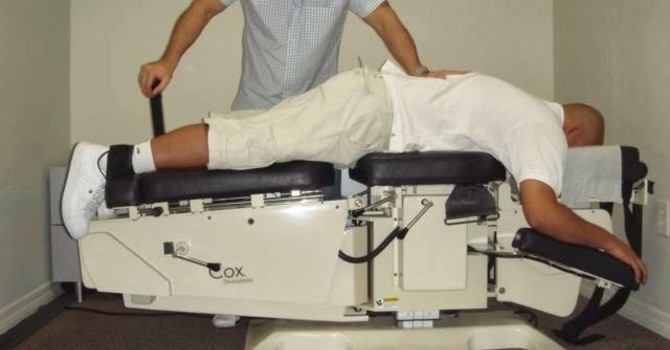
Many patients benefit from rehabilitation programs such as Physical Therapy or supportive care like Chiropractic Care to improve biomechanics and mobility.
Is PRP Therapy Safe?
Because PRP therapy uses platelets derived from the patient’s own blood, it is generally considered biologically compatible. However, treatment safety and effectiveness depend on appropriate patient selection and clinical expertise.
Patients should consult with qualified healthcare professionals to determine whether regenerative treatments are appropriate for their condition.
Non-Surgical Joint Treatment in Miami
If you are experiencing joint pain and want to explore non-surgical joint treatment in Miami, a comprehensive evaluation can help determine the most appropriate treatment options.
To speak with our team, call (305) 673-8248 or schedule a consultation here: https://ptcmiami.com/contact.
Frequently Asked Questions
What is high-density PRP therapy?
High-density PRP therapy refers to platelet-rich plasma that has been processed to achieve a higher platelet and growth factor concentration than standard PRP preparations.
Can PRP therapy replace joint surgery?
PRP therapy may help some patients delay or avoid surgery depending on the severity of the condition. However, severe structural damage may still require surgical intervention.
How long does PRP treatment take?
Most PRP procedures take approximately 45 to 60 minutes and are performed in an outpatient setting.
How long does it take to see results after PRP therapy?
Some patients notice gradual improvement over several weeks as the body’s healing response progresses.
Do patients need physical therapy after PRP treatment?
Yes. Rehabilitation exercises and physical therapy often help improve outcomes by restoring strength, mobility, and joint stability.
Joseph Hudson
Contact Me