Platelet-Rich Plasma (PRP) therapy has become a widely discussed regenerative treatment option for joint pain, tendon injuries, and musculoskeletal conditions. However, patients researching PRP treatments often encounter different terms such as standard PRP, high-density PRP therapy, or concentrated PRP treatment.
If you are comparing high-density PRP with standard PRP, it is important to understand how these therapies differ, why concentration levels matter, and how physicians determine which approach is most appropriate.
What Is PRP Therapy?
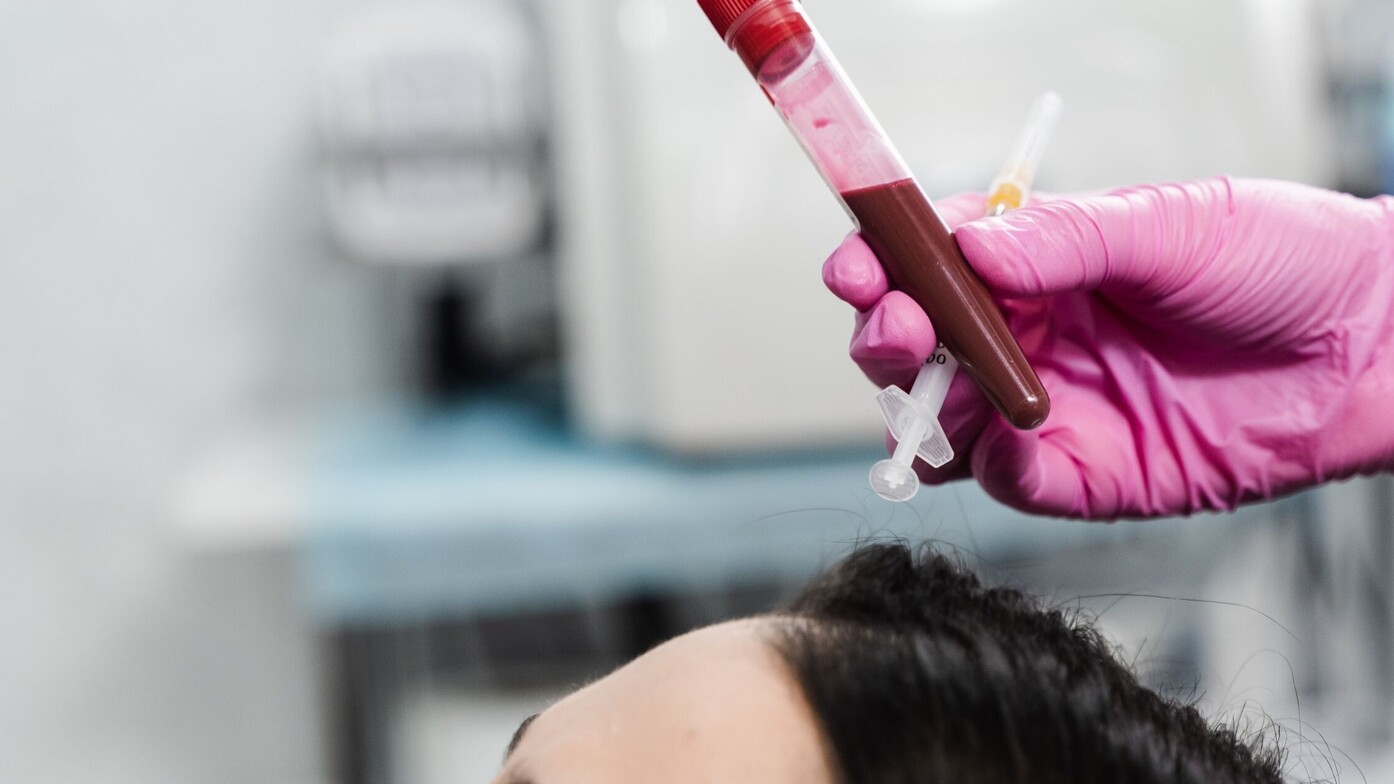
PRP therapy uses platelets derived from your own blood to support the body's natural healing processes. Platelets contain growth factors and signaling proteins that play a role in tissue repair.
The general process involves:
- Drawing a small sample of the patient’s blood
- Processing the blood in a centrifuge to separate platelets
- Concentrating the platelet-rich portion
- Injecting the PRP into the injured or painful area
PRP treatments are commonly explored for musculoskeletal issues such as tendon injuries, ligament damage, joint degeneration, and sports injuries.
What Is Standard PRP?
Standard PRP refers to platelet-rich plasma that has been separated and concentrated using conventional centrifugation methods. In many cases, standard PRP contains platelet concentrations roughly two to five times those in normal blood.
This level of platelet concentration may be sufficient for certain soft tissue conditions and mild injuries.
Characteristics of Standard PRP
- Moderate platelet concentration
- Often used in general orthopedic or sports medicine applications
- Typically prepared using a single centrifuge cycle
- May contain varying levels of white blood cells depending on the preparation method
What is High-Density PRP?
High-density PRP therapy, sometimes called concentrated PRP treatment, is designed to produce a significantly higher concentration of platelets compared to standard PRP.
Advanced processing techniques may be used to more effectively isolate and concentrate platelet-rich components, resulting in a higher growth-factor density.
Characteristics of High-Density PRP
- Higher platelet concentration compared to standard PRP
- Potentially greater concentration of growth factors
- Often produced using multi-spin centrifuge protocols
- May allow more targeted regenerative signaling
High Density PRP vs. Standard PRP
| Feature | Standard PRP | High-Density PRP |
|---|---|---|
| Platelet Concentration | Moderate increase | Higher platelet concentration |
| Processing Method | Typically single-spin centrifuge | Often multi-spin or advanced separation |
| Growth Factor Density | Moderate | Higher concentration potential |
| Applications | Mild to moderate tissue injuries | Often considered for more persistent conditions |
| Preparation Complexity | Simpler preparation | More advanced processing |
Does Higher Platelet Concentration Mean Better Results?
While higher platelet concentration can increase the amount of growth factors delivered, the relationship between concentration and clinical outcomes is complex.
Effectiveness depends on several factors:
- The specific condition being treated
- The location of the injury
- The patient’s overall health
- The injection technique used
- Rehabilitation protocols following treatment
In some cases, higher platelet density may be beneficial, but more is not always better for every condition.
Conditions Often Considered for PRP Treatment
PRP therapies are frequently explored for a variety of musculoskeletal conditions, including:
- Tennis elbow (lateral epicondylitis)
- Rotator cuff injuries
- Achilles tendon injuries
- Knee osteoarthritis
- Ligament sprains
- Chronic tendonitis
Patients with sports injuries often combine PRP with structured rehabilitation programs such as Physical Therapy to support recovery and improve function.
The Role of Rehabilitation After PRP
PRP is typically only one part of the treatment process. Rehabilitation and mechanical loading are important components of recovery.
A structured rehabilitation program may include:
- Progressive strengthening exercises
- Mobility and flexibility training
- Biomechanical correction
- Activity modification strategies
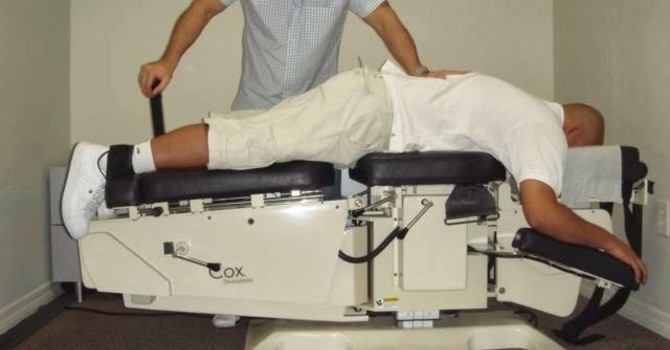
Some patients also benefit from complementary care, such as Chiropractic Care, to address joint mobility and movement mechanics.
Which PRP Option Is Right for You?
Choosing between high-density PRP therapy and standard PRP depends on several individual factors. A comprehensive evaluation is important to determine the most appropriate treatment approach.
Providers may consider:
- The severity and duration of the condition
- Previous treatments attempted
- The patient’s activity level and goals
- Imaging findings and clinical examination
Schedule a Consultation in Miami
If you are considering PRP therapy or exploring non-surgical treatment options for joint or tendon pain, a professional evaluation can help determine the most appropriate approach.
To speak with our team, call (305) 673-8248 or schedule an appointment here: https://ptcmiami.com/contact.
Frequently Asked Questions
What is high-density PRP therapy?
High-density PRP therapy refers to platelet-rich plasma that has been processed to achieve a higher platelet and growth factor concentration than standard PRP preparations.
Is high-density PRP more effective than standard PRP?
Higher platelet concentration may increase growth factor delivery, but effectiveness depends on the condition being treated and the overall treatment plan.
Is PRP therapy safe since it uses my own blood?
PRP uses autologous blood, meaning the platelets come from the patient’s own body. This reduces the risk of immune rejection compared to donor-based treatments.
How long does PRP treatment take?
A typical PRP procedure usually takes about 45 to 60 minutes, including blood collection, processing, and injection.
Do I need physical therapy after PRP treatment?
Many patients benefit from rehabilitation exercises after PRP therapy to support tissue healing and restore proper movement patterns.
Joseph Hudson
Contact Me