One of the most common questions patients ask when considering regenerative treatments is: How many PRP sessions are needed to see results? Platelet-Rich Plasma (PRP) therapy has become increasingly popular for treating joint pain, tendon injuries, and hair loss. However, understanding the typical PRP treatment schedule and the expected high-density PRP results timeline can help patients set realistic expectations.
If you are researching regenerative treatments in Miami, this guide explains how PRP works, why multiple sessions are often recommended, and what kind of timeline patients may experience.
What is High-Density PRP?
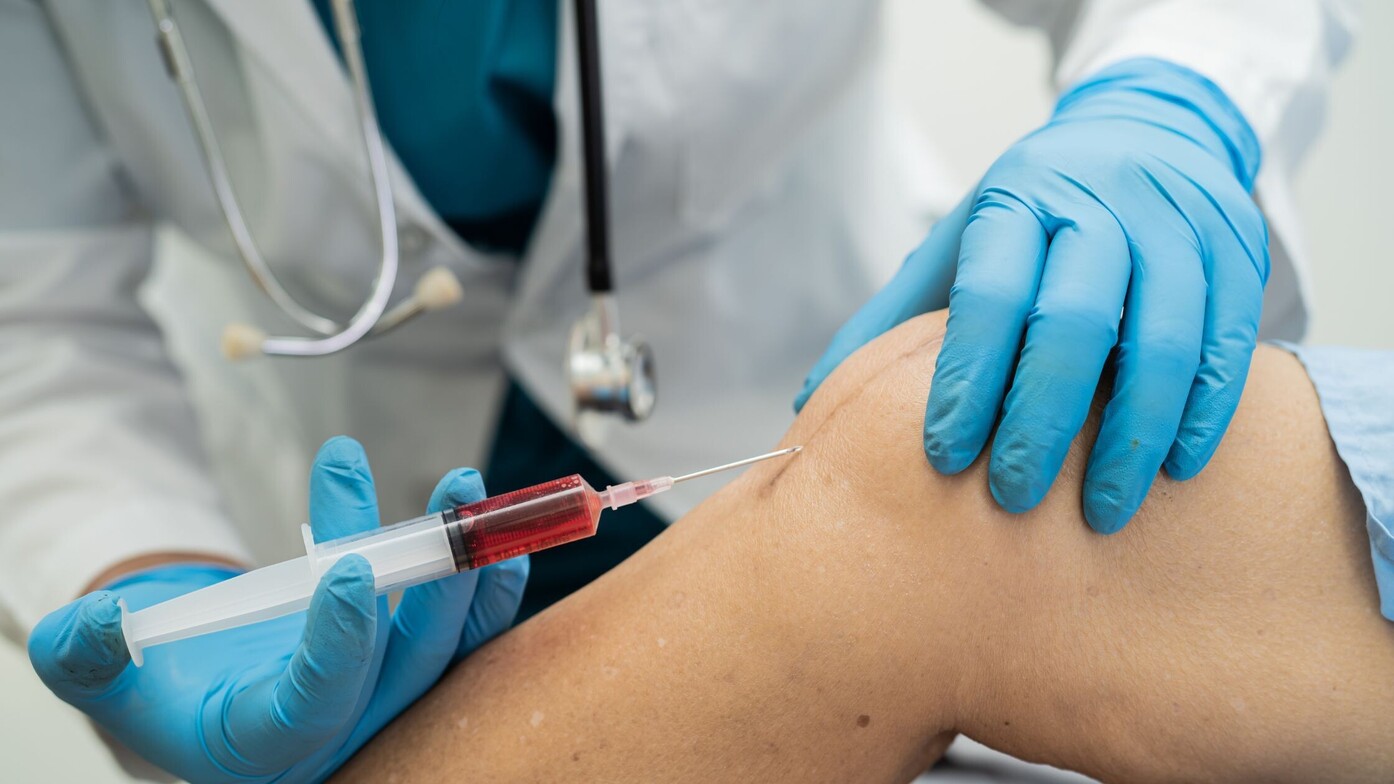
PRP therapy begins with a small sample of the patient’s blood. The blood is processed in a centrifuge to isolate platelets, which contain growth factors involved in tissue repair.
High-density PRP refers to platelet-rich plasma that has been processed to achieve a higher concentration of platelets compared to standard PRP preparations. These concentrated platelets release biological signals that may support the body’s natural healing processes.
Growth factors within PRP may help:
- Stimulate tissue repair
- Support collagen production
- Encourage blood vessel formation
- Regulate inflammation
Why Multiple PRP Sessions Are Often Recommended
PRP treatments typically work gradually because they stimulate the body’s natural repair mechanisms. Tissue healing takes time, and repeated treatments may help reinforce the regenerative signals introduced during earlier sessions.
For many conditions, doctors recommend a series of PRP treatments rather than a single injection.
Typical PRP Treatment Schedule
Although protocols can vary depending on the condition being treated, a common PRP treatment schedule may look like this:
| Phase | Treatment Plan | Goal |
|---|---|---|
| Initial Treatment Phase | 2–3 PRP sessions spaced 4–6 weeks apart | Stimulate tissue healing |
| Evaluation Phase | Clinical assessment of progress | Measure improvement in symptoms and function |
| Maintenance Phase | Periodic treatments if needed | Support long-term tissue health |
Some patients may require additional treatments depending on the severity of the injury or degenerative condition.
High-Density PRP Results Timeline
Because PRP relies on biological healing processes, improvements typically occur gradually rather than immediately.
| Timeline | What Patients May Notice |
|---|---|
| First 2–3 Weeks | Initial healing responses and mild inflammation as the body begins to repair |
| 4–6 Weeks | Early improvements in pain or mobility |
| 2–3 Months | Continued tissue repair and functional improvement |
| 3–6 Months | Maximum improvement for many patients |
Conditions Commonly Treated With PRP
PRP therapy is often explored for a variety of musculoskeletal conditions, including:
- Tennis elbow
- Rotator cuff injuries
- Knee osteoarthritis
- Ligament injuries
- Achilles tendonitis
- Chronic joint inflammation
Patients undergoing regenerative treatments often combine them with rehabilitation programs such as Physical Therapy to strengthen surrounding muscles and improve joint stability.
Why Rehabilitation Matters After PRP
Even when PRP therapy stimulates healing signals, proper movement mechanics are essential for long-term recovery. Structured rehabilitation programs help ensure tissues heal under appropriate mechanical stress.
Patients may also incorporate supportive treatments such as Chiropractic Care to improve joint mobility and reduce biomechanical stress on injured areas.
Is One PRP Treatment Enough?
In most cases, a single PRP treatment may not produce optimal results. Regenerative medicine protocols often involve a series of injections designed to reinforce the healing process.
However, treatment recommendations vary depending on:
- The severity of the injury
- The specific tissue being treated
- The patient’s health and healing capacity
- Activity level and recovery goals
PRP Treatment in Miami
If you are researching regenerative medicine options and wondering how many PRP sessions you may need, a professional evaluation can help determine the most appropriate treatment plan.
To speak with our team, call (305) 673-8248 or schedule a consultation at https://ptcmiami.com/contact.
Frequently Asked Questions
How many PRP sessions are usually needed?
Many treatment protocols involve two to three sessions spaced several weeks apart, although the exact number depends on the condition being treated.
How long does it take for PRP to work?
PRP results typically develop gradually over several weeks to months as the body’s natural healing processes respond to the treatment.
Is high-density PRP better than standard PRP?
High-density PRP contains a higher concentration of platelets, which may deliver more growth factors to injured tissues.
Can PRP replace surgery?
PRP may be explored as a non-surgical treatment option for certain conditions, although severe structural damage may still require surgery.
How do I schedule PRP therapy in Miami?
Call (305) 673-8248 or visit https://ptcmiami.com/contact to request an appointment.
Joseph Hudson
Contact Me