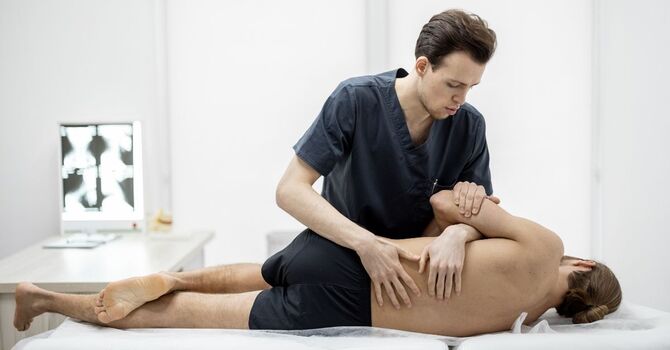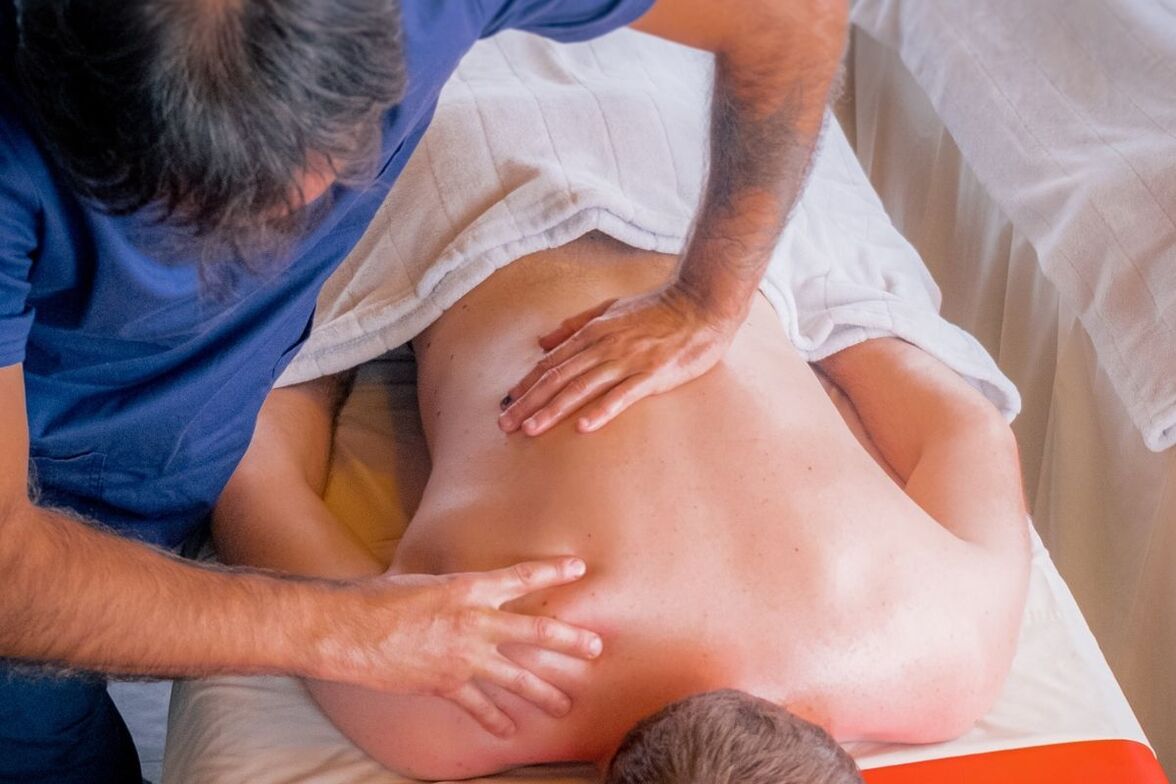
Four common manual therapy techniques are joint mobilization, soft tissue mobilization, joint manipulation, and neural mobilization. Some techniques move a joint slowly or quickly, while others apply pressure to soft tissue or guide a sequence of movements involving a nerve. A physical therapist chooses a technique based on your symptoms, their examination, and the movement you want to improve. Physical therapy clinical practice guideline
Compare four manual therapy techniques
| Technique | What the clinician does | What you may feel |
|---|---|---|
| Joint mobilization | Supports a joint and moves it slowly or rhythmically | Rocking, pressure, or a gentle stretch |
| Soft tissue mobilization | Applies pressure or guides movement in muscles and surrounding tissue | Steady or moving pressure |
| Joint manipulation | Applies a quick, small thrust to a joint | A brief movement, sometimes with a pop |
| Neural mobilization | Guides a sequence of movements designed to help a nerve move relative to nearby tissue | Repeated movements, sometimes involving several joints |
Clinical definitions of manual therapy techniques
1. Joint mobilization
In joint mobilization, the therapist supports a joint and moves it within a range they choose after assessing how you move. They might use small, repeated movements or a slow glide. You may feel gentle pressure or a stretch while the therapist adjusts the range based on your response.
For example, if ankle stiffness makes it hard to step down, your therapist might check how the ankle moves as your knee comes forward over your foot. If joint mobilization fits the evaluation, they may guide the ankle through controlled movements and then ask you to try stepping down again. The goal is to see whether you can do that particular task more comfortably. Physical therapy clinical practice guideline
2. Soft tissue mobilization
Soft tissue mobilization involves applying pressure or guiding movement in muscles and surrounding connective tissue. Some techniques use broad, moving pressure. Others, such as forms of myofascial release, may use sustained pressure over one area.
If you feel discomfort around your shoulder when you reach overhead, your therapist might assess how the shoulder moves and where you feel symptoms. If they choose soft tissue work, they may ask you to repeat the reach afterward. The comparison helps you describe what changed, such as how high you could reach or when you first felt discomfort. Physical therapy clinical practice guideline
3. Joint manipulation
Joint manipulation uses a quick thrust over a small distance. Your clinician first assesses whether the technique is appropriate and discusses the options with you. Ask what movement they want to help and tell them if you prefer slower movement or less force.
For some people with low back pain, physical therapy guidelines support either thrust or nonthrust joint techniques. If your clinician uses one, they may reassess a task such as bending forward or standing from a chair to see how it feels afterward. Physical therapy guideline for low back pain
4. Neural mobilization
Neural mobilization uses a guided sequence of movements intended to help a nerve move relative to nearby tissues. It may involve moving more than one joint in a coordinated pattern. During the assessment and treatment, tell your therapist if tingling, numbness, or pain changes or travels farther down your arm or leg.
Physical therapy guidelines describe neural mobilization as one option alongside other treatments for short-term improvement in some people with persistent low back pain and leg symptoms. Your therapist may reassess a movement afterward and ask whether the location or intensity of your symptoms changed. Physical therapy guideline for low back pain
What happens after the hands-on portion of a visit?
Your therapist may move on to an exercise that matches the activity you’re working toward. If a step-down feels easier after ankle mobilization, for example, the next step might be practicing from a low step. If a technique produces little change, your therapist can reassess and adjust the plan. For low back pain, clinical guidance recommends including exercise when manual therapy is used. NICE low back pain guideline
Frequently asked questions about manual therapy techniques
Does a joint need to pop during manual therapy?
No. Many techniques use slow movements or pressure on soft tissue. If a joint makes a sound during treatment, your therapist can check the response by reassessing the movement you came in to work on. Clinical definitions of manual therapy techniques
Can I choose a gentler technique?
Yes. Tell your therapist what feels comfortable and what concerns you. They can discuss using less pressure, moving through a smaller range, or trying a different approach. You can ask them to stop at any time.
What should I say if my symptoms change during treatment?
Say what changed and where you feel it. For example, “I felt pressure in my back at first, and now I feel tingling farther down my leg.” That gives your therapist information they can use to pause, adjust, or reassess the movement.
Can my therapist use more than one technique in a visit?
Yes. Your therapist may use more than one technique if it fits your evaluation and goals. Ask what each technique is intended to help and how you’ll check your response.
Schedule a physical therapy evaluation in Miami Beach
If pain or stiffness is limiting an activity you want to get back to, a physical therapy evaluation can help you decide whether manual therapy fits your plan. PTC Miami Beach offers one-to-one physical therapy at 1111 Lincoln Road, Suite 310, Miami Beach, FL 33139. Call 305-673-8248 to schedule. Explore manual therapy at PTC Miami Beach · Contact PTC Miami Beach
Joseph Hudson
Contact Me