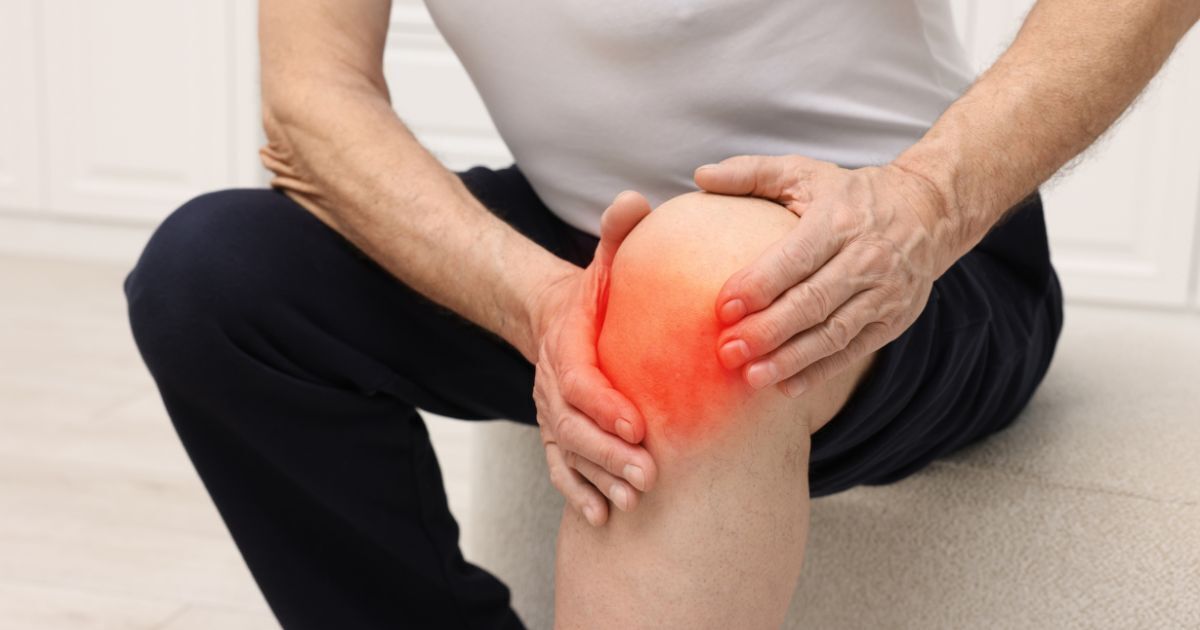
Knee pain can make everything from walking along the beach to climbing stairs, exercising, running, or simply getting out of a chair more difficult. While some knee problems improve with rest and activity modification, persistent pain often requires a closer look at what is happening in the joint and the muscles that support it.
For many conditions, physical therapy for knee pain in Miami Beach can provide a non-surgical approach focused on reducing symptoms, restoring movement, rebuilding strength, and helping you return to the activities that matter to you.
At PT & Chiro of Miami, we individualize knee rehabilitation. Rather than treating every patient with the same exercises, your physical therapist evaluates your knee, hips, ankles, strength, mobility, balance, and movement patterns to identify factors that may be contributing to your symptoms.
Why Does My Knee Hurt?
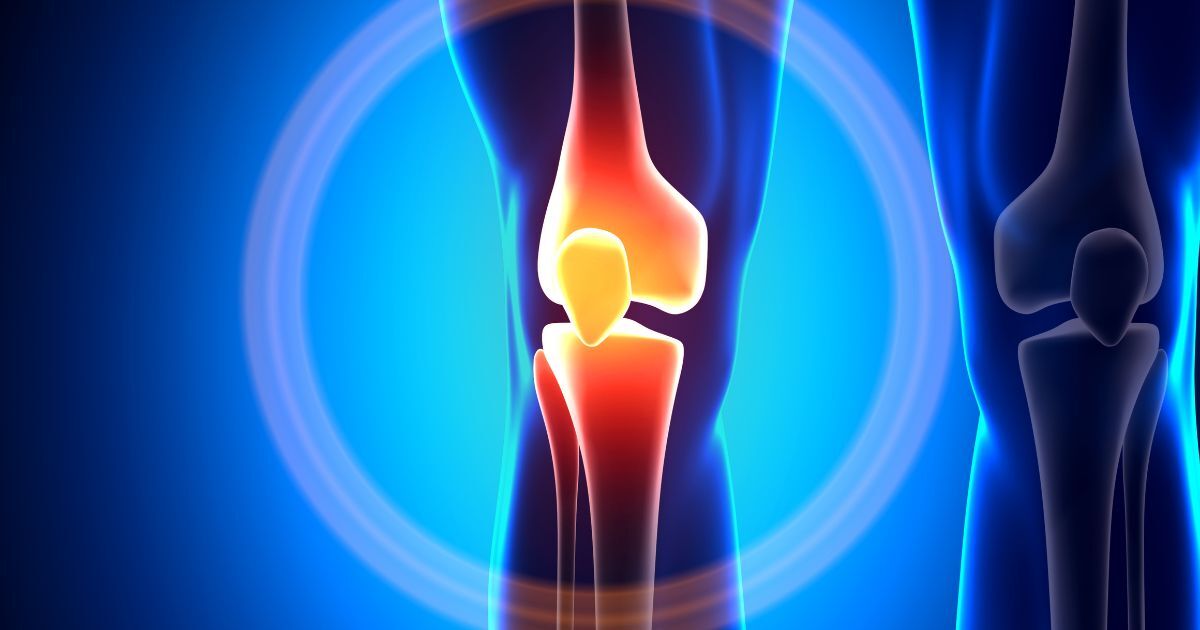
The knee absorbs significant forces during walking, running, jumping, climbing stairs, and exercise. It also depends on coordinated movement between the hips, knees, ankles, muscles, tendons, ligaments, and surrounding joints.
As a result, knee pain can develop from an acute injury, repetitive stress, age-related joint changes, weakness, reduced mobility, or a combination of factors.
Knee Osteoarthritis
Knee osteoarthritis is a common cause of pain and stiffness, particularly as people get older. Symptoms may include morning stiffness, difficulty getting up after sitting, pain when walking or climbing stairs, swelling, and reduced knee mobility.
Physical therapy cannot reverse arthritis, but it can improve how the knee functions. Strengthening the muscles around the knee and hip, improving mobility, and modifying activities can make everyday movement more manageable for many patients.
Patellofemoral Pain
Pain around or behind the kneecap often occurs with activities such as running, squatting, climbing stairs, jumping, or sitting with the knee bent for long periods.
Sometimes called runner's knee, patellofemoral pain can involve several contributing factors rather than one isolated problem.
A physical therapist may evaluate:
- Hip strength
- Quadriceps strength
- Knee control during squatting or running
- Ankle mobility
- Training volume
- Foot mechanics
- Movement patterns
Meniscus Injuries
The menisci are cartilage structures that help distribute forces across the knee. Meniscus injuries can occur after twisting movements or develop gradually with age-related changes.
Symptoms may include joint-line pain, swelling, stiffness, clicking, or difficulty fully bending or straightening the knee.
Not every meniscus injury automatically requires surgery. Depending on the injury type, symptoms, age, activity demands, and other factors, conservative rehabilitation may be considered.
ACL and Other Knee Ligament Injuries
The anterior cruciate ligament, or ACL, is one of several ligaments responsible for stabilizing the knee. ACL injuries are common in sports involving cutting, jumping, or rapid changes of direction.
Physical therapy plays an important role in knee ligament rehabilitation. Depending on the injury, it may be used for non-operative management, pre-operative preparation, or post-operative rehabilitation.
Patellar and Quadriceps Tendon Pain
Tendons around the knee can become irritated when repeated loading exceeds what the tissue can currently tolerate. Running, jumping, basketball, tennis, pickleball, and strength training can all contribute.
Rehabilitation usually involves more than simply resting the tendon. Progressive strengthening can help rebuild the tissue's ability to tolerate activity.
Knee Pain After a Car Accident
Knees can be injured when they strike the dashboard, steering column, door, or another surface during a collision. The sudden forces involved can also affect the hips, back, and lower extremities.
Persistent pain, swelling, instability, or difficulty walking after an accident should be evaluated rather than dismissed as ordinary soreness.
Why Knee Physical Therapy Looks Beyond the Knee
One of the biggest misconceptions about knee rehabilitation is that treatment should focus only on the painful joint.
Your knee sits between your hip and ankle. Problems above or below it can change the forces passing through the knee during movement.
For example, reduced hip strength may affect leg control during squatting or running. Limited ankle mobility may cause the body to compensate when descending stairs or squatting.
A comprehensive physical therapy evaluation may therefore assess:
- Knee range of motion
- Quadriceps strength
- Hamstring strength
- Hip and glute strength
- Ankle mobility
- Balance
- Walking mechanics
- Squatting mechanics
- Running or jumping mechanics when appropriate
- Activities that reproduce symptoms
This whole-leg approach helps the physical therapist identify potentially modifiable factors instead of simply treating where the pain is felt.
How Physical Therapy for Knee Pain Works
The exact treatment plan depends on your diagnosis, symptoms, functional limitations, and goals. However, knee rehabilitation commonly progresses through several important stages.
1. Reduce Pain and Irritation
When the knee is highly irritated, aggressive exercise may worsen symptoms.
The initial goal may involve modifying aggravating activities, maintaining appropriate movement, and introducing exercises the knee can tolerate.
Hands-on treatment and other therapeutic modalities may also be incorporated when clinically appropriate.
2. Restore Knee Mobility
Loss of knee extension or flexion can affect walking, stair climbing, squatting, and exercise.
Your physical therapist may use mobility exercises and manual techniques to improve restricted movement while monitoring the knee's response.
3. Rebuild Quadriceps Strength
The quadriceps play a major role in supporting the knee and controlling movements such as walking down stairs, standing from a chair, running, and landing.
Pain, swelling, injury, and surgery can all contribute to quadriceps weakness.
Restoring quadriceps strength is therefore a common priority in knee rehabilitation.
4. Strengthen the Hips and Glutes
Your hip muscles help control the position of the thigh and knee during movement. Depending on the patient's findings, you may include strengthening these muscles alongside direct knee exercises.
5. Improve Balance and Stability
Knee injuries can affect proprioception, which is your body's ability to sense joint position and movement.
Balance and stability exercises can become particularly important after ligament injuries or when a patient reports that the knee feels unstable.
6. Return to Your Normal Activities
Getting stronger in a treatment room is only part of rehabilitation.
Your knee ultimately needs to tolerate whatever you expect it to do outside the clinic.
That may mean:
- Walking longer distances
- Climbing stairs
- Returning to the gym
- Running
- Playing tennis or pickleball
- Golfing
- Swimming
- Returning to work
- Participating in competitive sports
Later-stage physical therapy should progressively prepare the knee for those real-world demands.
Knee Physical Therapy for Runners and Active Miami Beach Patients
Miami makes it possible to stay active throughout most of the year. Running along the beach, cycling, tennis, pickleball, strength training, and recreational sports can all place repeated demands on the knees.
Knee pain in active patients does not always mean they need to stop exercising indefinitely.
The problem may instead involve training load, strength, movement mechanics, inadequate recovery, or a sudden increase in activity.
A sports-focused knee evaluation can examine factors such as:
- Running mechanics
- Single-leg stability
- Hip strength
- Quadriceps capacity
- Landing mechanics
- Ankle mobility
- Training frequency
- Recent increases in mileage or intensity
The objective is not simply to make the pain disappear. It is to build enough capacity for your knee to tolerate your activity safely.
What Exercises Are Used for Knee Pain?
No single knee exercise works best for every patient.
An exercise that is appropriate for early arthritis may not be appropriate for someone recovering from ACL surgery. Likewise, a runner with patellofemoral pain may need a different program from a patient recovering from a meniscus injury.
Depending on the condition and stage of rehabilitation, a physical therapist may incorporate:
- Quad sets
- Straight-leg raises
- Bridges
- Heel raises
- Controlled squats
- Step-ups
- Step-down exercises
- Hamstring strengthening
- Hip abductor strengthening
- Resistance-band exercises
- Single-leg balance exercises
- Progressive resistance training
- Running or sport-specific drills
The key is appropriate progression. Exercises should become more challenging as strength, control, and tissue tolerance improve.
Can Physical Therapy Help Knee Arthritis Without Surgery?
For many patients with knee osteoarthritis, conservative treatment is an important part of managing symptoms and maintaining function.
Physical therapy may focus on:
- Strengthening the quadriceps and surrounding muscles
- Improving knee and hip mobility
- Increasing walking tolerance
- Improving balance
- Modifying aggravating activities
- Developing a sustainable exercise program
Whether surgery eventually becomes appropriate depends on factors such as the severity of joint changes, pain, functional limitations, overall health, and response to conservative treatment.
Patients considering non-surgical options can start with an individualized evaluation to understand which limitations may still be improved through rehabilitation.
Do Meniscus Tears Always Require Surgery?
No. A meniscus tear does not automatically mean surgery is necessary.
The appropriate treatment depends on the type and location of the tear, the patient's age, symptoms, mechanical limitations, activity demands, and whether the knee is locking or unstable.
Some patients may initially receive physical therapy focused on restoring motion, strengthening the leg, and progressively returning to activity.
Other injuries may require orthopedic evaluation or surgical management.
A physical examination and, when appropriate, imaging can help determine the best path forward.
When Is an MRI Needed for Knee Pain?
An MRI is not automatically required for every case of knee pain.
Many knee conditions can initially be evaluated using the patient's history, symptoms, and physical examination.
Imaging may become appropriate when:
- There was significant trauma
- A major ligament or meniscus injury is suspected
- The knee repeatedly gives way
- The knee locks
- Symptoms persist despite appropriate conservative treatment
- Surgery is being considered
- The diagnosis remains unclear
Your healthcare provider can determine whether an X-ray, MRI, ultrasound, or another diagnostic study is appropriate.
When Should You See a Physical Therapist for Knee Pain?
Consider scheduling an evaluation if your knee pain:
- Persists or repeatedly returns
- Interferes with walking or climbing stairs
- Prevents you from exercising normally
- Causes stiffness or loss of motion
- Is accompanied by weakness
- Developed after a sports injury
- Started after a car accident
- Makes the knee feel unstable
- Is affecting your ability to work or perform daily activities
More urgent medical evaluation may be necessary after severe trauma, inability to bear weight, significant deformity, rapidly increasing swelling, fever with a hot or red joint, or sudden neurological symptoms.
How Long Does Physical Therapy for Knee Pain Take?
The recovery timeline varies considerably.
A mild overuse problem may respond relatively quickly, while recovery after ligament reconstruction or another major knee injury can take months.
Factors affecting recovery include:
- The underlying diagnosis
- Severity of the injury
- How long symptoms have been present
- Strength deficits
- Mobility limitations
- Age and overall health
- Activity level
- Consistency with rehabilitation
- Whether surgery was required
Rather than promising a specific number of visits, your physical therapist should use measurable improvements in strength, mobility, pain, and function to guide progression.
Can Chiropractic Care Be Combined With Knee Physical Therapy?
Although knee rehabilitation primarily focuses on the lower extremity, movement restrictions elsewhere in the body can sometimes influence how a person walks, runs, or exercises.
For patients with back, hip, or spinal complaints, chiropractic care may be considered alongside physical therapy when clinically appropriate.
Having physical therapy and chiropractic care in the same clinic allows treatment to be coordinated around the patient's overall musculoskeletal presentation, rather than treating each complaint independently.
Why Choose PT & Chiro of Miami for Knee Pain?
Knee rehabilitation requires attention to detail. Small changes in knee position, resistance, exercise depth, foot placement, or movement speed can completely change how an exercise loads the joint.
PT & Chiro of Miami emphasizes individualized, one-on-one physical therapy so we can adjust treatment based on how your knee is actually responding.
Direct care allows your physical therapist to:
- Observe your movement throughout the session
- Adjust exercises when symptoms change
- Progress resistance appropriately
- Perform hands-on treatment when indicated
- Monitor strength and mobility improvements
- Identify compensatory movement patterns
- Prepare you for your specific sport, work, or lifestyle demands
For Miami Beach patients who want to remain active, the goal extends beyond temporary symptom relief. Rehabilitation should help you build the strength, mobility, and confidence needed to return to the activities you enjoy.
Start Physical Therapy for Knee Pain in Miami Beach
If knee pain makes it harder to walk, exercise, play sports, climb stairs, or enjoy everyday life, you don't have to wait until the problem becomes severe to get it evaluated.
PT & Chiro of Miami provides one-on-one physical therapy in Miami Beach for patients dealing with knee pain, sports injuries, post-operative rehabilitation, arthritis, and other musculoskeletal conditions.
Your treatment begins by identifying what is limiting your knee and building a rehabilitation plan around your specific goals.
Call or text (305) 673-8248 or contact PT & Chiro of Miami to schedule a knee pain evaluation.
Frequently Asked Questions About Physical Therapy for Knee Pain in Miami Beach
Can physical therapy help knee pain without surgery?
Yes, many knee conditions can be treated conservatively at first, depending on the diagnosis and severity. Physical therapy can address strength, mobility, balance, movement mechanics, and activity tolerance. Some traumatic injuries, severe arthritis, or significant structural problems may still require orthopedic or surgical evaluation.
What types of knee pain can physical therapy treat?
Physical therapy may treat conditions including knee osteoarthritis, patellofemoral pain, some meniscus injuries, tendon-related pain, ligament injuries, sports injuries, post-operative rehabilitation, and persistent knee pain associated with weakness or movement limitations.
Can physical therapy help a torn meniscus?
Some meniscus injuries can be managed conservatively with physical therapy, depending on the type of tear, symptoms, age, activity demands, and the knee's mechanical function. Rehabilitation may focus on restoring movement and strength while gradually returning the patient to activity. Certain tears may require orthopedic or surgical evaluation.
Is physical therapy good for knee arthritis?
Physical therapy is commonly used as part of conservative management for knee osteoarthritis. Treatment may focus on strengthening the muscles supporting the knee, improving mobility, increasing walking tolerance, improving balance, and developing an appropriate exercise program. Physical therapy does not reverse arthritis but may help improve function and manage symptoms.
How long does physical therapy for knee pain take?
The timeline depends on the diagnosis and severity. Mild overuse injuries may improve over several weeks, while ligament injuries, post-operative rehabilitation, or longstanding conditions may require considerably longer. Base progress on measurable improvements rather than a predetermined number of visits.
Do I need an MRI before starting physical therapy for knee pain?
Not necessarily. Many knee conditions can initially be evaluated through medical history and physical examination. Imaging may be recommended after significant trauma, when a major ligament or meniscus injury is suspected, when the knee locks or repeatedly gives way, or when symptoms fail to improve as expected.
Where can I get physical therapy for knee pain in Miami Beach?
PT & Chiro of Miami provides individualized physical therapy for knee pain and other musculoskeletal conditions in Miami Beach. Call or text (305) 673-8248 or use the clinic's online contact page to request an evaluation.
Joseph Hudson
Contact Me