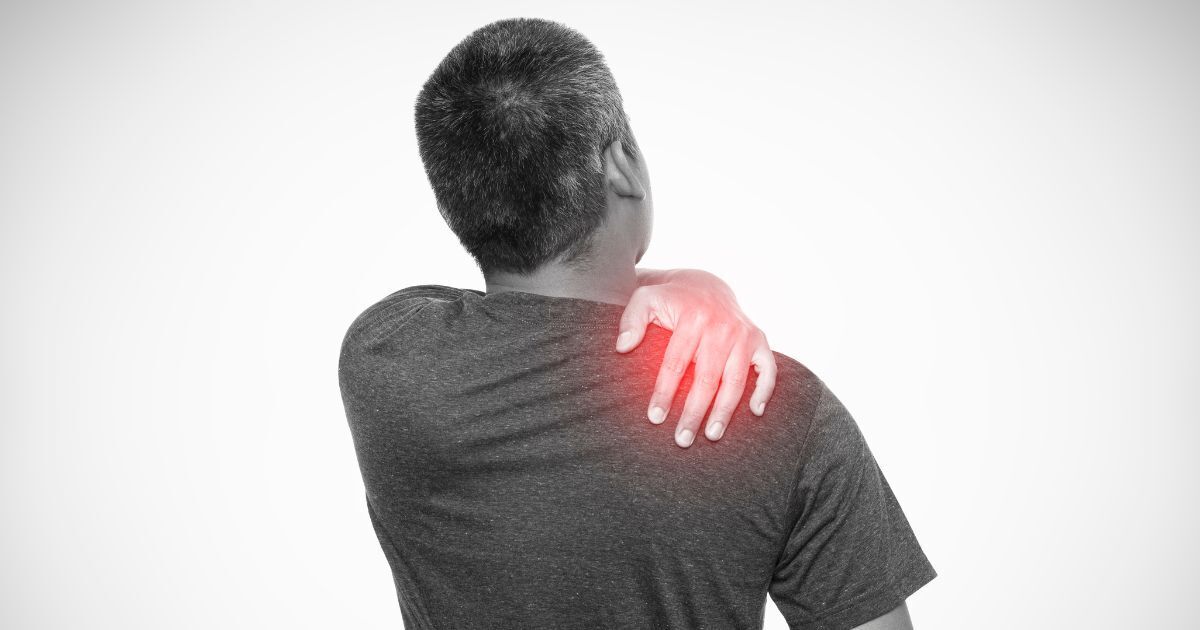
Shoulder pain can turn simple movements like reaching into a cabinet, putting on a shirt, working out, swimming, or sleeping on your side into frustrating daily challenges. If the problem does not improve on its own, physical therapy for shoulder pain in Miami Beach may help address the underlying movement problem while reducing pain and restoring strength.
At PT & Chiro of Miami, shoulder rehabilitation is built around the individual patient, not a generic exercise routine. Your physical therapist evaluates how your shoulder moves, how the surrounding muscles are functioning, and whether your neck, upper back, posture, or movement mechanics may be contributing to your symptoms.
Whether your shoulder started hurting after a workout, sports injury, car accident, repetitive activity, or seemingly for no reason at all, identifying the source is an important first step toward lasting improvement.
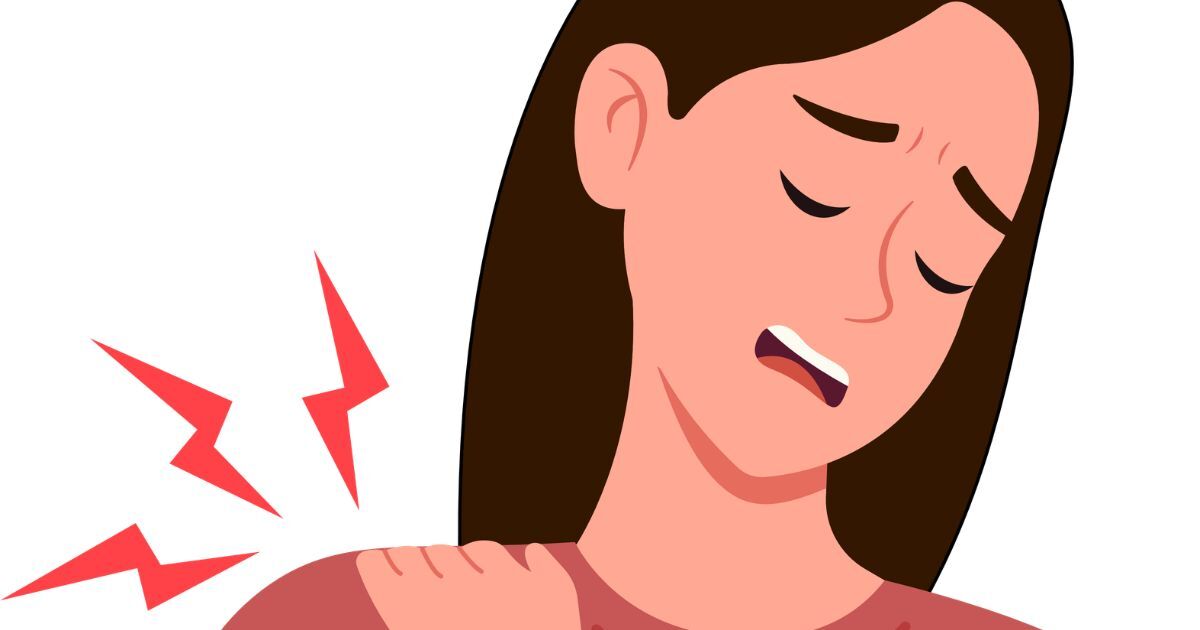
Why Does My Shoulder Hurt?
The shoulder is designed for mobility. That range of motion lets you reach overhead, throw, swim, lift weights, play tennis, and do countless everyday activities. But mobility comes with a tradeoff: the shoulder relies heavily on muscles, tendons, ligaments, and coordinated movement for stability.
Shoulder pain can therefore develop from many different structures and movement problems.
Rotator Cuff Injuries
The rotator cuff is a group of muscles and tendons that stabilize and move the shoulder. Irritation, tendinopathy, strains, and tears can cause pain when lifting the arm, reaching overhead, exercising, or lying on the affected shoulder.
Rotator cuff problems are not limited to athletes. Repetitive work, age-related tendon changes, sudden injuries, and poor shoulder mechanics can all contribute.
Shoulder Impingement and Subacromial Pain
Patients often describe a painful pinch when raising the arm overhead or reaching behind the body. These symptoms are sometimes associated with irritation of structures around the rotator cuff and subacromial region.
Rather than focusing only on the painful area, physical therapy evaluates how the shoulder blade, upper arm, thoracic spine, and surrounding muscles work together during movement.
Frozen Shoulder
Frozen shoulder, also called adhesive capsulitis, causes progressive pain and stiffness. Patients may gradually lose the ability to reach overhead, behind their back, or out to the side.
Physical therapy may improve mobility and function while helping patients manage the limitations associated with the condition. Because frozen shoulder can progress through different stages, treatment intensity should match the individual presentation.
Biceps Tendon Pain
The biceps tendon crosses the front of the shoulder and can become irritated from repetitive lifting, throwing, pulling, or overhead activity. Patients often feel pain near the front of the shoulder that worsens during certain exercises or lifting movements.
Shoulder Arthritis
Changes within the shoulder joint can cause pain, stiffness, grinding sensations, and loss of motion. Physical therapy cannot reverse arthritis, but a carefully designed program may help improve mobility, strengthen supporting muscles, and make everyday movement easier.
Shoulder Pain After a Car Accident
Seat belts, steering wheel forces, sudden impact, and rapid movement during a collision can injure the shoulder even without a fracture. Symptoms may develop immediately or become more noticeable in the days following the accident.
Early evaluation is particularly important after trauma because shoulder pain may occur alongside neck, back, or nerve-related symptoms.
Sometimes Shoulder Pain Is Not Actually Coming From the Shoulder
One of the most important reasons to have persistent shoulder pain evaluated is that the location where you feel pain does not always identify its source.
A problem involving the cervical spine can sometimes produce symptoms around the shoulder, upper arm, or shoulder blade. Nerve irritation may also cause numbness, tingling, burning, or weakness extending into the arm or hand.
That is why treating only the spot that hurts may not solve the problem.
A comprehensive evaluation may examine:
- Shoulder range of motion
- Rotator cuff strength
- Shoulder blade movement
- Neck mobility
- Upper-back mobility
- Posture
- Neurological symptoms
- Movement patterns
- Activities that reproduce your pain
When neck mechanics are contributing to shoulder symptoms, coordinated chiropractic care may also be considered as part of the treatment plan.
How Physical Therapy for Shoulder Pain Works
Good shoulder rehabilitation involves much more than receiving a sheet of exercises.
Your physical therapy program should be based on what the evaluation reveals about your mobility, strength, symptoms, and functional limitations.
1. Reduce Pain and Irritation
The early phase of rehabilitation may focus on calming irritated tissues while keeping the shoulder moving within an appropriate range.
Your physical therapist may modify activities that repeatedly aggravate the shoulder while using appropriate hands-on techniques, therapeutic exercise, and other modalities as part of the treatment plan.
The objective is not necessarily complete rest. Excessive avoidance of movement can contribute to additional weakness and stiffness. Instead, the goal is to find an appropriate amount of movement while irritated tissues recover.
2. Restore Shoulder Mobility
If shoulder movement is restricted, treatment may include targeted mobility exercises and manual therapy.
The movements emphasized depend on the problem. Someone recovering from frozen shoulder may require a very different mobility program from an athlete experiencing pain only during overhead activity.
3. Improve Shoulder Blade Mechanics
The shoulder blade, or scapula, provides a foundation for shoulder movement. It needs to rotate and move appropriately as the arm rises.
Weakness or poor coordination in the muscles that control the shoulder blade can contribute to inefficient upper-body movement.
Rehabilitation may therefore include exercises targeting muscles such as the serratus anterior, trapezius, and other scapular stabilizers.
4. Strengthen the Rotator Cuff
Rotator cuff strengthening is frequently an important component of shoulder rehabilitation.
Treatment typically progresses gradually. Early exercises may use light resistance and controlled movements before progressing toward more demanding pushing, pulling, lifting, or overhead activities.
The goal isn't just stronger muscles. Your shoulder needs strength in the positions and movements required by your daily life, occupation, or sport.
5. Address the Neck and Upper Back
Shoulder mechanics do not exist in isolation.
Limited thoracic spine mobility, prolonged desk posture, or cervical dysfunction can influence upper-body movement. Your physical therapist may therefore incorporate mobility, strengthening, and postural strategies involving the neck and upper back when appropriate.
6. Return to Normal Activity
The final phase of shoulder physical therapy should prepare you for what you actually want to do.
For one patient, that may mean comfortably reaching overhead or carrying groceries. For another, it may mean returning to swimming, tennis, golf, CrossFit, weightlifting, pickleball, or another sport.
Exercises should progressively resemble the demands your shoulder will encounter outside the clinic.
Shoulder Physical Therapy for Miami's Active Lifestyle
Living in Miami Beach creates its own set of shoulder demands. Swimming, paddle sports, tennis, pickleball, golf, weight training, and other year-round activities involve repetitive upper-body movement.
When shoulder pain appears, simply stopping activity until the pain disappears does not always address why the problem developed.
A sports-oriented physical therapy assessment can evaluate:
- Overhead mechanics
- Rotator cuff strength
- Shoulder endurance
- Scapular control
- Thoracic mobility
- Training volume
- Exercise technique
- Strength imbalances
The goal is to help you return to activity with better capacity to tolerate the demands being placed on the shoulder.
What Shoulder Exercises Might a Physical Therapist Recommend?
No universal set of exercises fits every shoulder condition. Your program should depend on your diagnosis, symptoms, mobility, and stage of recovery.
Depending on those findings, shoulder rehabilitation may eventually incorporate exercises such as:
- Gentle range-of-motion exercises
- Isometric shoulder exercises
- Resistance-band external rotation
- Rows
- Scapular stabilization exercises
- Serratus strengthening
- Thoracic mobility exercises
- Progressive rotator cuff strengthening
- Controlled overhead exercises
- Sport-specific or work-specific movements
More exercise is not necessarily better. Appropriate exercise at the right stage of recovery is far more valuable than a long, generic routine.
Can Physical Therapy Help a Rotator Cuff Tear?
Not every rotator cuff tear automatically requires surgery.
Depending on the tear type, severity, symptoms, age, activity demands, and other clinical factors, conservative treatment may be considered. Physical therapy can focus on maintaining or restoring mobility, improving shoulder mechanics, and strengthening the remaining functional musculature.
Some tears, particularly traumatic injuries accompanied by significant weakness or loss of function, may require orthopedic evaluation. Physical therapy can also play an important role before or after surgery when surgery is indicated.
The key step is determining what kind of injury you have, rather than assuming all shoulder pain is the same problem.
Do You Need an MRI for Shoulder Pain?
Not necessarily.
Many shoulder problems can initially be evaluated through medical history and physical examination. Imaging may become appropriate when there has been significant trauma, a fracture or major tear is suspected, symptoms fail to improve as expected, or the results would meaningfully affect treatment decisions.
Your healthcare provider can determine whether an X-ray, MRI, ultrasound, or other diagnostic study is appropriate based on your presentation.
When Should You Seek Care for Shoulder Pain?
Consider scheduling an evaluation if shoulder pain:
- Persists despite modifying the activity that caused it
- Makes it difficult to raise your arm
- Interferes with sleep
- Returns whenever you exercise
- Causes noticeable weakness
- Limits work or daily activities
- Developed after a sports injury or car accident
- Occurs with neck pain
- Includes numbness or tingling into the arm
Seek urgent medical attention for severe trauma, visible deformity, sudden inability to move the arm, symptoms suggesting a fracture or dislocation, chest pain, difficulty breathing, or other potentially serious symptoms.
How Long Does Physical Therapy for Shoulder Pain Take?
There is no single recovery timeline for shoulder pain.
A mild overuse problem may improve relatively quickly, while frozen shoulder, significant rotator cuff injuries, post-operative rehabilitation, and longstanding conditions may require considerably more time.
Factors affecting recovery include:
- Your diagnosis
- Severity of the injury
- How long symptoms have been present
- Strength and mobility deficits
- Age and overall health
- Activity demands
- Consistency with rehabilitation
- Whether the underlying aggravating activity has been addressed
A good rehabilitation program measures progress rather than promising an arbitrary number of visits.
Physical Therapy vs. Chiropractic Care for Shoulder Pain
Patients sometimes assume they need to choose between physical therapy and chiropractic care. In reality, the appropriate treatment depends on what is causing the symptoms.
Physical therapy is particularly useful for addressing shoulder strength, mobility, movement control, and progressive return to activity.
Consider chiropractic care when spinal or joint mechanics contribute to the patient's symptoms.
At PT & Chiro of Miami, having both disciplines available allows the treatment plan to be based on the patient's clinical presentation rather than forcing every shoulder problem into one type of care.
Learn more about chiropractic care in Miami Beach and one-on-one physical therapy.
Why Choose PT & Chiro of Miami for Shoulder Physical Therapy?
Shoulder rehabilitation benefits from careful observation. Small changes in shoulder blade movement, exercise technique, range of motion, or compensation can affect how an exercise feels and whether it helps.
PT & Chiro of Miami emphasizes individualized physical therapy rather than a high-volume model where a therapist divides attention among several patients.
One-on-one care gives your physical therapist the opportunity to:
- Monitor your movement throughout treatment
- Modify exercises based on symptoms
- Perform hands-on treatment when appropriate
- Progress resistance as your shoulder improves
- Identify compensations before they become habits
- Adapt your program to your lifestyle and goals
For active Miami Beach patients, treatment can also be designed around the specific activity you want to return to rather than simply stopping when your pain decreases.
Start Physical Therapy for Shoulder Pain in Miami Beach
Shoulder pain does not have to become something you simply learn to work around.
Whether you are struggling with rotator cuff pain, shoulder stiffness, an exercise injury, pain after a car accident, or symptoms that have gradually worsened over time, the first step is identifying what is limiting your shoulder and why.
At PT & Chiro of Miami, we build your treatment plan around your specific movement, symptoms, and recovery goals.
Call or text (305) 673-8248 or contact PT & Chiro of Miami to schedule an evaluation for shoulder pain in Miami Beach.
Frequently Asked Questions About Physical Therapy for Shoulder Pain in Miami Beach
Can physical therapy help shoulder pain without surgery?
Many shoulder conditions can be managed conservatively at first, depending on the diagnosis and severity of the injury. Physical therapy may use targeted exercise, mobility work, manual therapy, strengthening, and movement retraining to improve shoulder function. Significant traumatic injuries or severe weakness may require additional medical or orthopedic evaluation.
What types of shoulder pain can physical therapy treat?
Physical therapy may be used to treat rotator cuff-related pain, shoulder stiffness, adhesive capsulitis, tendinopathy, some forms of shoulder impingement or subacromial pain, arthritis, sports injuries, post-operative rehabilitation, and shoulder symptoms associated with movement or strength deficits.
How long does physical therapy take for shoulder pain?
Recovery time depends on the condition, severity, symptom duration, and individual goals. Some overuse injuries may improve over several weeks, while frozen shoulder, major injuries, and post-surgical rehabilitation can require a longer recovery period. Your physical therapist should monitor measurable progress and adjust treatment accordingly.
Do I need an MRI before starting physical therapy for shoulder pain?
Not every patient needs an MRI before beginning physical therapy. Many shoulder conditions can initially be evaluated through a detailed history and physical examination. Imaging may be appropriate following significant trauma, when a major structural injury is suspected, when symptoms do not improve as expected, or when imaging would change treatment decisions.
Can neck problems cause shoulder pain?
Yes. Problems involving the cervical spine or nearby nerves can sometimes cause pain around the shoulder or shoulder blade. Nerve-related symptoms may also include numbness, tingling, burning, or weakness extending into the arm. A comprehensive evaluation can help determine whether symptoms originate primarily in the shoulder, neck, or both.
Can I continue working out while receiving physical therapy for shoulder pain?
Many patients can stay active during rehabilitation, but exercises that significantly aggravate the shoulder may need temporary modification. A physical therapist can help determine which activities are appropriate and develop a progressive plan for returning to lifting, swimming, tennis, pickleball, or other activities.
Where can I get physical therapy for shoulder pain in Miami Beach?
PT & Chiro of Miami provides individualized physical therapy for patients with shoulder pain and other musculoskeletal conditions in Miami Beach. To request an evaluation, call or text (305) 673-8248 or use the clinic's online contact page.
Joseph Hudson
Contact Me