Interest in regenerative medicine has grown rapidly as patients look for non-surgical ways to support healing and recovery. One of the most discussed options is autologous stem cell treatment. If you have been researching what autologous stem cells are or how stem cell therapy from your own body works, this guide explains the science, the benefits, and why using your own cells can matter.
What Are Autologous Stem Cells?
The word autologous simply means “from the same individual.” In medical treatments, autologous stem cells are stem cells that are collected from your own body and later used as part of a therapeutic procedure.
Stem cells are unique because they have the ability to:
- Develop into specialized cell types
- Assist with tissue repair and regeneration
- Release signaling molecules that support healing
When stem cells come from your own body, they are genetically matched to you. This is one of the key reasons autologous therapies have become widely studied in regenerative medicine.
Where Do Autologous Stem Cells Come From?
Autologous stem cells can be collected from several areas of the body where regenerative cells are naturally concentrated.
Common sources include:
- Bone marrow – traditionally one of the richest sources of regenerative cells
- Adipose tissue (fat) – another commonly used source in regenerative procedures
- Peripheral blood – sometimes used in certain medical treatments
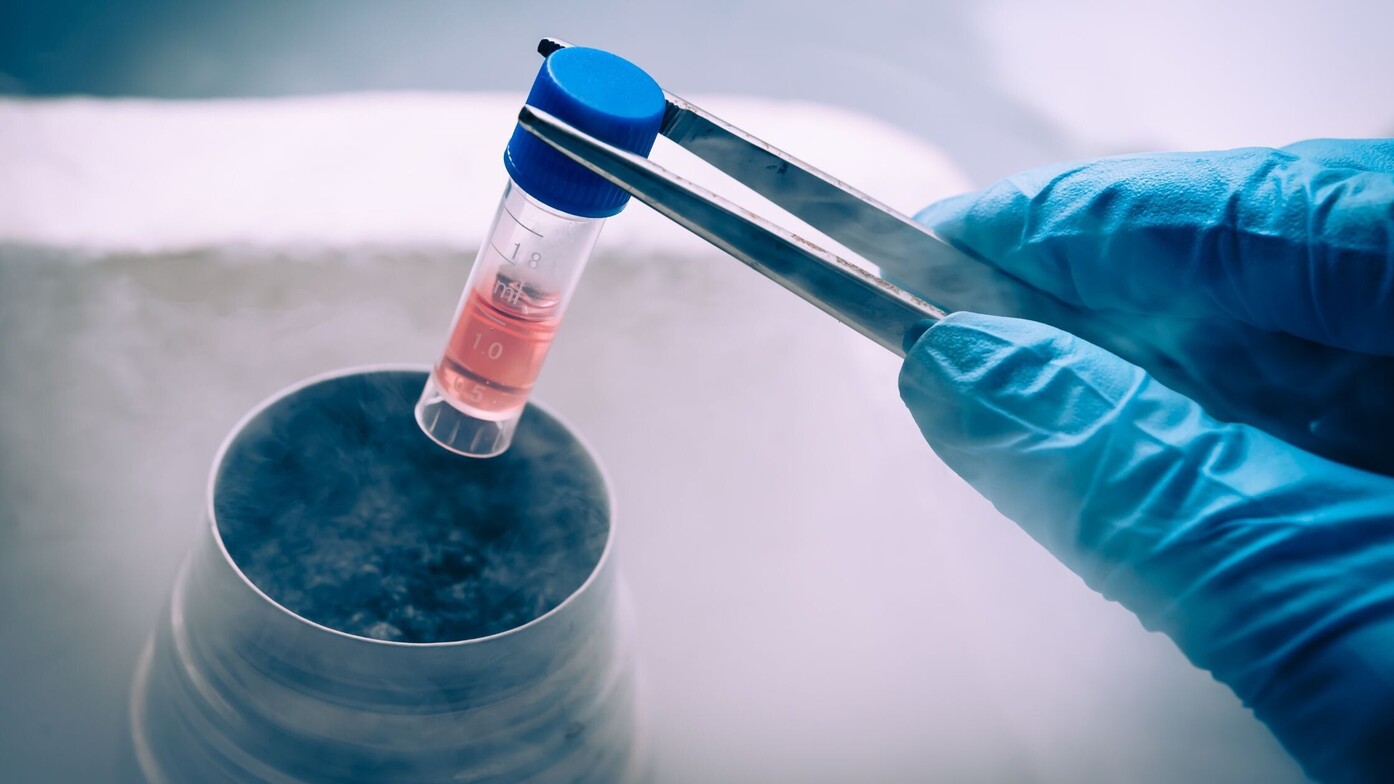
After collection, these cells may be processed and prepared for therapeutic use depending on the type of treatment being performed.
Why Using Your Own Stem Cells Matters
1. Reduced Risk of Immune Rejection
Because autologous stem cells come from your own body, the immune system recognizes them as familiar tissue. This greatly reduces the likelihood of immune rejection compared to donor-based therapies.
2. No Donor Matching Required
When stem cells are sourced from another person, compatibility testing is often necessary. With autologous cells, no donor match is required since the cells originate from the patient.
3. Lower Risk of Disease Transmission
Using your own cells eliminates the risk of transmitting infections or diseases from a donor source.
4. Biologically Personalized Therapy
Autologous treatments are naturally personalized because the regenerative cells originate from the patient’s own tissue environment.
How Autologous Stem Cell Therapy Works
While treatment protocols vary by condition, most procedures follow a similar general process.
Step 1: Cell Collection
Cells are harvested from a source such as bone marrow or adipose tissue through a minimally invasive procedure.
Step 2: Processing
The collected material may be processed to concentrate regenerative components.
Step 3: Targeted Application
The prepared cells are then delivered to the area of concern to support healing processes.
The goal of this approach is to support the body’s natural repair mechanisms rather than replacing tissue surgically.
Conditions Being Studied for Autologous Stem Cell Therapy
Research in regenerative medicine continues to expand. Autologous stem cells are currently being studied in relation to several areas of medicine, including:
- Orthopedic injuries
- Joint degeneration
- Tendon and ligament injuries
- Sports medicine recovery
- Certain inflammatory conditions
It is important to note that the effectiveness of stem cell treatments varies by condition and clinical evidence continues to evolve.
Autologous Stem Cells vs Donor Stem Cells
| Feature | Autologous Stem Cells | Donor Stem Cells |
|---|---|---|
| Cell Source | Your own body | Another person or donor bank |
| Immune Rejection Risk | Very low | Higher |
| Donor Matching Required | No | Yes |
| Disease Transmission Risk | Minimal | Possible |
| Personalization | Fully personalized | Dependent on donor compatibility |
Is Autologous Stem Cell Therapy Safe?
Because autologous stem cells come from the patient’s own body, they are generally considered biologically compatible. However, the safety and effectiveness of any regenerative therapy depends on factors such as:
- The medical condition being treated
- The treatment protocol used
- The experience of the medical provider
- The patient’s overall health
Patients considering regenerative treatments should always consult with qualified healthcare professionals to determine whether a therapy is appropriate for their situation.
The Future of Regenerative Medicine
Autologous stem cell research continues to grow as scientists explore ways to harness the body’s natural repair capabilities. Advances in regenerative medicine may lead to new treatments designed to reduce pain, restore function, and potentially delay or avoid invasive procedures in certain cases.
As research expands, autologous therapies are expected to play an increasingly important role in personalized medicine.
Key Takeaways
- Autologous stem cells come from your own body.
- They reduce the risk of immune rejection compared to donor cells.
- They are widely studied in regenerative medicine.
- Many treatments aim to support the body’s natural healing processes.
Understanding how regenerative therapies work helps patients make more informed healthcare decisions as the field continues to evolve.
Joseph Hudson
Contact Me