Patients considering regenerative treatments often ask what happens after the procedure. Understanding stem cell therapy recovery and PRP aftercare, what to expect, can help set realistic expectations and improve treatment outcomes.
Both autologous stem cell therapy and high-density PRP treatments aim to support the body’s natural healing process. Because regenerative medicine works by stimulating biological repair rather than masking symptoms, improvements typically occur gradually over time.
This guide explains what patients can expect during recovery, typical healing timelines, and the importance of regenerative treatment post-care.
The First 24–72 Hours After Treatment
Immediately following regenerative treatments, the body begins responding to the injected cells or growth factors. Mild inflammation during this early phase is expected, as it signals that the healing process has begun.
Patients may experience:
- Mild soreness at the injection site
- Temporary swelling
- Localized stiffness
- Sensitivity to movement
These symptoms typically resolve within a few days as the body adapts to the treatment.
The First Few Weeks of Recovery
During the first several weeks after treatment, the body begins initiating repair processes in the targeted tissue. This stage is often referred to as the regenerative activation phase.
Patients may notice gradual improvements such as:
- Reduced inflammation
- Improved joint mobility
- Decreased pain during activity
- Better functional movement
Because healing responses vary from patient to patient, some individuals may notice improvements earlier than others.
Typical Regenerative Healing Timeline
| Timeline | What Patients May Experience |
|---|---|
| First Week | Localized soreness and mild inflammation as healing begins |
| 2–4 Weeks | Early biological repair activity |
| 1–3 Months | Gradual improvement in function and mobility |
| 3–6 Months | Maximum improvement for many patients |
Because regenerative therapies stimulate the body’s natural healing mechanisms, improvements typically occur progressively rather than immediately.
Why Rehabilitation Is Important After Regenerative Treatment
Even with advanced regenerative therapies, structured rehabilitation plays an important role in recovery. Strengthening surrounding muscles and improving joint mechanics helps support long-term healing.
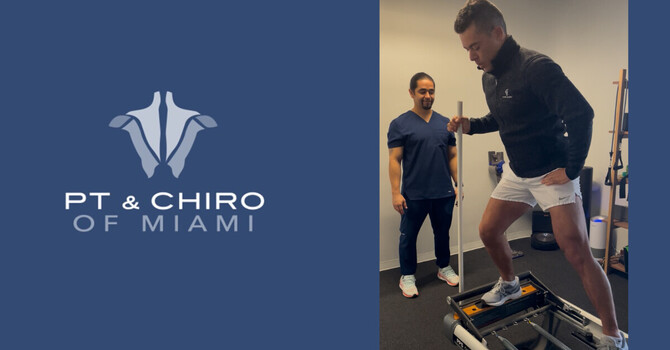
Many patients benefit from targeted rehabilitation programs such as Physical Therapy to restore strength, mobility, and movement mechanics.
In some cases, supportive treatments like Chiropractic Care may also help improve joint mobility and reduce biomechanical stress on healing tissues.
Activity Guidelines After Treatment
Patients are typically advised to modify activities during the early recovery phase to allow tissues to heal properly.
General recommendations may include:
- Avoiding high-impact exercise during the first few weeks
- Gradually reintroducing movement and strengthening
- Following individualized rehabilitation plans
- Attending follow-up evaluations
Following the recommended treatment plan can help maximize the effectiveness of regenerative therapies.
Follow-Up Care and Monitoring
Follow-up visits allow providers to evaluate progress and adjust rehabilitation programs if needed. Monitoring recovery helps ensure the injured tissues are healing appropriately.
Providers may assess:
- Range of motion
- Strength and stability
- Pain levels during activity
- Functional movement patterns
When Patients Typically See Results
Patients often begin noticing meaningful improvements within several weeks to a few months after treatment. However, because regenerative medicine stimulates natural biological processes, the timeline can vary depending on the condition being treated.
Factors that may influence recovery include:
- The severity of the injury
- The patient’s overall health
- Adherence to rehabilitation programs
- The type of regenerative therapy performed
Regenerative Treatment Follow-Up Care in Miami
If you recently received regenerative therapy or are considering treatment, proper aftercare and monitoring are essential to achieving optimal results.
To schedule a follow-up consultation or discuss regenerative treatment options, call (305) 673-8248 or visit https://ptcmiami.com/contact.
Frequently Asked Questions
How long does it take to recover from stem cell therapy?
Stem cell therapy recovery varies depending on the condition treated, but many patients notice gradual improvements over several weeks to months.
What should I avoid after PRP treatment?
Patients are typically advised to avoid intense physical activity and anti-inflammatory medications during the early healing phase unless directed by their provider.
Is soreness normal after PRP or stem cell therapy?
Yes. Mild soreness or swelling can occur because the treatment stimulates the body’s natural healing response.
Do patients need physical therapy after regenerative treatments?
Many patients benefit from rehabilitation programs such as physical therapy to support strength, mobility, and proper healing mechanics.
How do I schedule follow-up care in Miami?
Call (305) 673-8248 or visit https://ptcmiami.com/contact to request an appointment.
Joseph Hudson
Contact Me