Sports injuries are a common challenge for athletes and active individuals in South Florida. Whether you are a runner on Miami Beach, a tennis player, or someone who enjoys staying active year-round, injuries can disrupt training and daily life. As interest in regenerative medicine grows, many patients are researching stem cell therapy sports injuries to explore non-surgical treatment options that may support recovery.
Autologous stem cells athlete recovery treatments are increasingly used in regenerative medicine because they use the patient’s own cells to support healing. For patients exploring regenerative sports medicine Miami options, understanding how this therapy works and who may be a candidate can help guide treatment decisions.
What Are Autologous Stem Cells?
The word autologous means the biological material used in treatment comes from the patient’s own body. In regenerative medicine procedures, stem cells are commonly collected from bone marrow or adipose tissue (fat).
These cells contain regenerative signaling molecules that may help regulate inflammation, support tissue repair, and promote healing in injured tissues.
Because the cells originate from the patient’s own body, the risk of immune rejection is significantly lower than donor-based treatments.
Common Sports Injuries Treated with Regenerative Medicine
Athletes frequently experience injuries involving muscles, tendons, ligaments, and joints. Regenerative therapies may be evaluated for conditions such as:
- Ligament injuries
- Tendonitis and tendon degeneration
- Rotator cuff injuries
- Knee cartilage damage
- Achilles tendon injuries
- Chronic joint inflammation
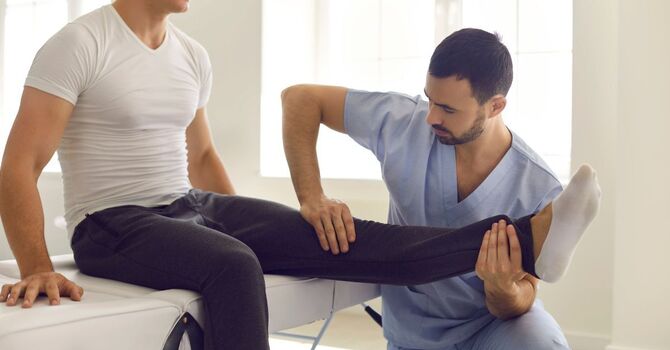
Many athletes combine regenerative therapies with rehabilitation programs such as Physical Therapy to rebuild strength, mobility, and proper movement mechanics.
How Stem Cell Therapy for Sports Injuries Works
Regenerative medicine procedures typically follow several steps designed to introduce healing signals into injured tissue.
Step 1: Cell Collection
A small sample of regenerative cells is collected from the patient, typically from bone marrow or adipose tissue.
Step 2: Processing
The collected cells are processed to concentrate regenerative components.
Step 3: Injection into the Injury Site
The prepared regenerative cells are delivered to the injured tissue, often using image-guided techniques to improve precision.
The goal is to create a biological environment that supports tissue repair.
Why Athletes Are Interested in Regenerative Treatments
Athletes often seek treatments that support healing while minimizing downtime and avoiding surgery when possible. Regenerative medicine approaches may help support the body’s natural healing response without invasive procedures.
Potential benefits may include:
- Support for tissue repair
- Reduction in inflammation
- Improved joint function
- Non-surgical treatment approach
The Role of Rehabilitation in Athlete Recovery
Even when regenerative therapies are used, rehabilitation remains a critical part of the recovery process. Proper strengthening and mobility work help ensure injured tissues heal under appropriate mechanical stress.
Athletes may benefit from targeted rehabilitation programs such as Physical Therapy to restore strength, balance, and athletic performance.
Some patients also incorporate treatments such as Chiropractic Care to improve joint mobility and reduce mechanical stress on surrounding tissues.
Who May Be a Candidate for Stem Cell Therapy?
Stem cell therapy may be considered for athletes who:
- Have persistent tendon or ligament injuries
- Have not responded fully to conservative care
- Want to explore non-surgical treatment options
- Have mild to moderate tissue damage
A comprehensive evaluation is necessary to determine whether regenerative treatments may be appropriate for a specific injury.
Sports Injury Recovery in Miami
Miami’s active lifestyle means sports injuries are common among runners, gym-goers, cyclists, and recreational athletes. Patients researching regenerative sports medicine Miami options often seek non-surgical treatments that allow them to return to activity safely.
To speak with our team about regenerative treatment options, call (305) 673-8248 or schedule a consultation at https://ptcmiami.com/contact.
Frequently Asked Questions
What is stem cell therapy for sports injuries?
Stem cell therapy for sports injuries uses regenerative cells derived from a patient’s own body to support tissue repair and healing in injured muscles, tendons, or ligaments.
How long does recovery take after stem cell therapy?
Recovery timelines vary depending on the injury and patient health, but improvements often occur gradually over several weeks to months as the body’s natural healing processes respond to treatment.
Can stem cell therapy replace surgery for sports injuries?
In some cases, regenerative treatments may be explored as a non-surgical option for certain injuries. Severe structural damage may still require surgical intervention.
Do athletes combine stem cell therapy with physical therapy?
Yes. Many athletes combine regenerative treatments with rehabilitation programs such as physical therapy to restore strength, stability, and athletic performance.
How do I schedule a consultation in Miami?
Call (305) 673-8248 or visit https://ptcmiami.com/contact to request an appointment.
Joseph Hudson
Contact Me