Knee osteoarthritis is one of the most common causes of chronic joint pain, affecting millions of people each year. For many patients, symptoms such as stiffness, swelling, and reduced mobility can interfere with daily life and physical activity. As interest in regenerative medicine grows, more patients are researching stem cell therapy for knee osteoarthritis and exploring whether autologous stem cell treatments for the knee may offer a non-surgical approach to managing joint degeneration.
If you are looking for options related to regenerative knee treatment in Miami, understanding the latest research and how these therapies work can help you evaluate whether regenerative medicine may be worth discussing with a medical professional.
Understanding Knee Osteoarthritis
Knee osteoarthritis occurs when the cartilage that cushions the joint gradually breaks down. Over time, this degeneration can lead to joint pain, inflammation, stiffness, and reduced mobility.
Common symptoms include:
- Pain during walking or climbing stairs
- Morning stiffness
- Swelling around the knee joint
- Reduced range of motion
- Grinding or clicking sensations
Traditional treatment approaches often include physical therapy, medication, injections, and, in advanced cases, joint replacement surgery.
What Are Autologous Stem Cells?
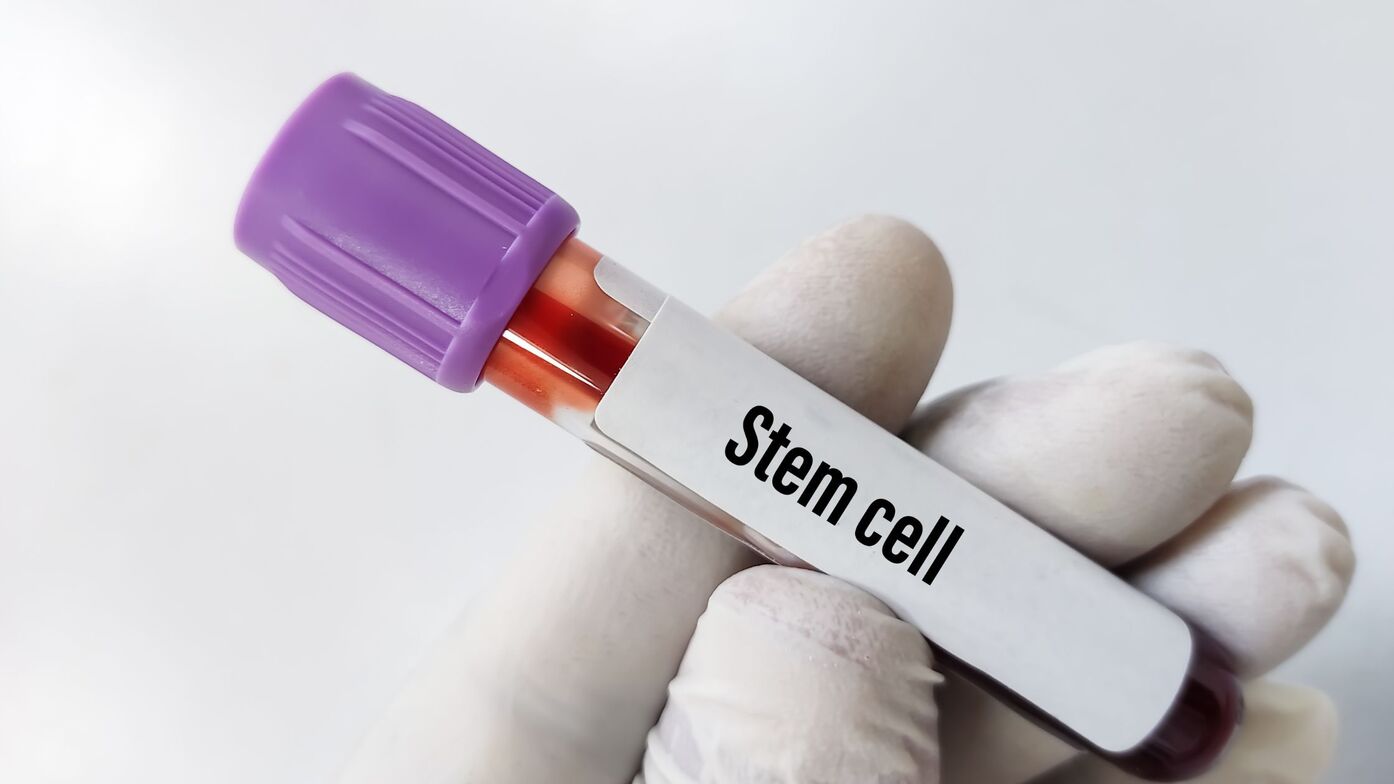
The term autologous means that the cells used in a treatment come from the patient’s own body. In regenerative medicine procedures, stem cells may be collected from tissues such as bone marrow or adipose tissue (fat).
These regenerative cells contain biological signaling molecules that may help support tissue repair and regulate inflammation. Because the cells originate from the patient’s own body, the risk of immune rejection is significantly reduced.
How Stem Cell Therapy for Knee Osteoarthritis Works
In regenerative medicine procedures for knee osteoarthritis, stem cells are typically collected, processed, and then delivered to the knee joint. The goal of this approach is to support the body’s natural healing responses and potentially improve joint function.
The general treatment process may involve:
- Collecting regenerative cells from the patient
- Processing the cells to concentrate regenerative components
- Injecting the prepared solution into the knee joint
The intention of the treatment is to support the joint's biological environment rather than mechanically replace damaged tissue.
What Recent Research Suggests
Clinical research on stem cell therapy for knee osteoarthritis continues to expand. Several studies have explored the potential effects of autologous stem cell therapies on joint pain, inflammation, and functional improvement.
Research has suggested that regenerative treatments may:
- Help reduce joint inflammation
- Support cartilage health
- Improve mobility and function
- Potentially slow degenerative changes in some cases
However, outcomes can vary depending on factors such as the severity of arthritis, patient health, and treatment protocols. Researchers continue to study long-term effectiveness and optimal treatment methods.
Who May Be a Candidate for Regenerative Knee Treatments?
Patients who may consider discussing regenerative knee treatments with their provider include those who:
- Have mild to moderate knee osteoarthritis
- Want to explore non-surgical treatment options
- Have not responded fully to conservative care
- Are not ready for joint replacement surgery
A comprehensive medical evaluation is necessary to determine whether regenerative treatments may be appropriate.
The Role of Rehabilitation in Knee Recovery
Even when regenerative therapies are used, rehabilitation remains a critical component of treatment. Strengthening the muscles around the knee helps improve joint stability and reduce stress on the joint.
Patients recovering from regenerative treatments often benefit from programs such as Physical Therapy that focus on improving mobility, strength, and movement mechanics.
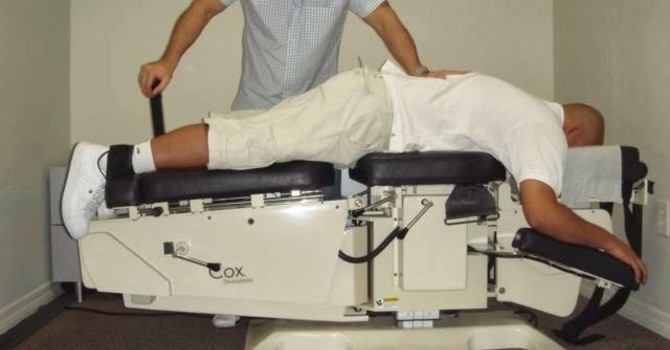
Some individuals may also incorporate supportive care, such as Chiropractic Care, to improve joint mechanics and reduce stress on surrounding tissues.
Autologous Stem Cells vs Traditional Treatments
| Treatment Approach | Primary Goal | Invasiveness |
|---|---|---|
| Physical Therapy | Improve strength and mobility | Non-invasive |
| Medication | Reduce pain and inflammation | Non-invasive |
| Stem Cell Therapy | Support regenerative processes | Minimally invasive |
| Knee Replacement Surgery | Replace the damaged joint | Highly invasive |
Is Stem Cell Therapy Safe?
Autologous stem cell procedures use cells derived from the patient’s own body, which generally reduces the risk of immune rejection. However, regenerative medicine is still an evolving field, and treatment effectiveness depends on the specific condition, the patient's health, and the provider's expertise.
Patients considering regenerative medicine procedures should consult qualified healthcare professionals to determine the most appropriate treatment approach.
Regenerative Knee Treatment in Miami
If you are exploring regenerative knee treatment options in Miami for knee osteoarthritis, a comprehensive evaluation can help determine whether non-surgical therapies may be appropriate.
To speak with our team, call (305) 673-8248 or schedule a consultation here: https://ptcmiami.com/contact.
Frequently Asked Questions
What is stem cell therapy for knee osteoarthritis?
Stem cell therapy for knee osteoarthritis involves using regenerative cells derived from the patient’s own body to support healing and reduce joint inflammation.
Where do autologous stem cells for knee treatment come from?
Autologous stem cells are commonly collected from bone marrow or adipose tissue and then processed before being delivered to the affected joint.
Can stem cell therapy regenerate cartilage in the knee?
Research is ongoing. Some studies suggest that regenerative therapies may support cartilage health, but outcomes vary with the severity of joint degeneration.
How long does it take to see improvement after stem cell therapy?
Some patients report gradual improvement over several weeks or months as the body’s healing processes occur.
How do I schedule a consultation in Miami?
Call (305) 673-8248 or visit https://ptcmiami.com/contact to request an appointment.
Joseph Hudson
Contact Me