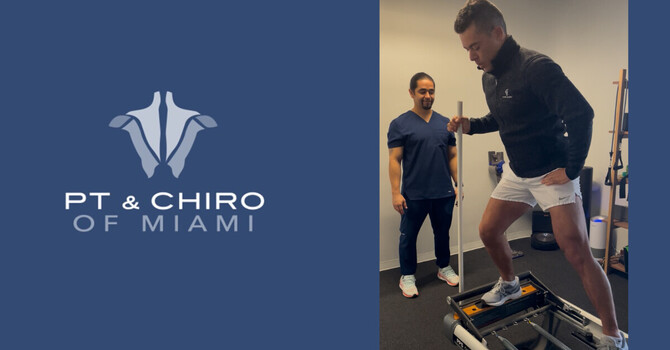
Sharp pain down the leg. Burning, tingling, or numbness that starts in the low back or glute and travels below the knee. If that sounds familiar, you may be dealing with sciatica. For those searching sciatica Miami, sciatica treatment Miami, or physical therapy sciatica, this guide explains what causes it, what conservative care looks like, how long recovery usually takes, and when imaging may be necessary.
The good news: most cases of sciatica improve with non-surgical care when addressed early and managed correctly.
What Is Sciatica?
Sciatica refers to symptoms caused by irritation or compression of the sciatic nerve. The sciatic nerve is the largest nerve in the body and runs from the lower spine through the hips and down each leg.
True sciatica typically includes:
- Pain that radiates from the lower back or glute into the leg
- Tingling or numbness in the thigh, calf, or foot
- Burning or electric-type pain
- Symptoms that worsen with sitting, bending, or prolonged driving
Common Causes of Sciatica in Miami
Sciatica is not a diagnosis by itself. It is a symptom pattern. The underlying cause can vary and determines the right treatment approach.
1) Disc Irritation or Herniation
A bulging or herniated disc in the lumbar spine can irritate a nearby nerve root, leading to pain that travels down the leg.
2) Lumbar Joint or Mechanical Dysfunction
Sometimes joint irritation or restricted spinal motion creates inflammation around the nerve root, even without a major disc issue.
3) Piriformis-Related Nerve Irritation
Tightness or dysfunction in the deep glute muscles can irritate the sciatic nerve as it travels through the hip.
4) Spinal Stenosis
Narrowing of the spinal canal can compress nerve structures, more common in older adults.
Early Signs You Should Not Ignore
- Leg pain that travels below the knee
- Persistent numbness or tingling
- Weakness in the leg or foot
- Pain that worsens with prolonged sitting
- Symptoms lasting longer than one week without improvement
Conservative Sciatica Treatment Options in Miami
Most people improve with structured, non-surgical care. The key is identifying the driver of the nerve irritation.
Physical Therapy for Sciatica
Physical therapy sciatica treatment focuses on restoring motion, reducing nerve irritation, and strengthening the spine and hips so symptoms do not keep returning.
PT May Include:
- Directional exercises (often called McKenzie-based movements)
- Nerve mobility techniques (nerve glides when appropriate)
- Core stabilization training
- Hip and glute strengthening
- Mobility work for stiff segments
- Education on sitting posture and load management
Learn more about Physical Therapy.
Chiropractic Care for Sciatica
Chiropractic care may help restore joint mobility and reduce mechanical irritation contributing to nerve symptoms. It can be especially helpful when spinal stiffness is part of the problem.
Chiropractic Treatment May Include:
- Spinal adjustments or mobilization (based on tolerance)
- Soft tissue techniques for lumbar and glute tension
- Movement guidance to reduce flare-ups
Learn more about Chiropractic Care.
How Long Does Sciatica Take to Improve?
Timelines vary depending on severity and how early treatment begins.
- Mild cases: may improve within 2 to 4 weeks
- Moderate cases: often require 4 to 8 weeks of structured care
- More severe nerve involvement: may take several months
Consistency with treatment and home exercises significantly influences recovery speed.
When Should You Get Imaging (MRI)?
Imaging is not always needed early in sciatica treatment. Many cases improve without it.
However, imaging may be appropriate if:
- Symptoms are severe or worsening
- There is significant leg weakness
- Symptoms persist beyond 6 to 8 weeks despite conservative care
- There are red-flag symptoms such as loss of bowel or bladder control
A qualified clinician can determine whether imaging is necessary based on your presentation.
What Makes Sciatica Worse?
- Prolonged sitting without breaks
- Aggressive hamstring stretching during acute flare-ups
- Sudden heavy lifting without core stability
- Ignoring early nerve symptoms
Simple At-Home Tips for Sciatica Relief
- Short, frequent walks instead of long periods of sitting
- Gentle extension-based movements if recommended by a provider
- Neutral spine positioning during sleep
- Avoid prolonged slouched posture
When to Seek Immediate Medical Attention
Seek urgent care if you experience:
- Loss of bowel or bladder control
- Numbness in the saddle area
- Rapidly worsening leg weakness
Schedule Sciatica Treatment in Miami
If you are experiencing leg pain, tingling, or nerve-related symptoms, early treatment can prevent chronic issues and speed recovery.
Call (305) 673-8248 or schedule here: https://ptcmiami.com/contact.
FAQ: Sciatica Treatment in Miami
How do I know if my pain is sciatica?
Sciatica typically involves pain that radiates down the leg, often below the knee, and may include tingling or numbness.
Can physical therapy cure sciatica?
Physical therapy can significantly reduce or eliminate symptoms in many cases by addressing the underlying mechanical cause and strengthening supportive muscles.
Is chiropractic care safe for sciatica?
When performed appropriately and matched to your condition, chiropractic care can be a conservative option to help reduce mechanical irritation.
Do I need an MRI right away?
Not usually. Imaging is often reserved for persistent, worsening, or severe cases.
How do I schedule an appointment?
Call (305) 673-8248 or book online at https://ptcmiami.com/contact.
Joseph Hudson
Contact Me