If you have been exploring stem cell therapy in Miami, Florida, in 2026 as a potential path to recovery, Florida's regenerative medicine landscape has changed significantly. New state requirements have created a more defined framework for certain stem cell treatments, including standards involving eligible providers, patient disclosures, informed consent, and product sourcing.
Understanding what these requirements mean for your care and how to evaluate a clinic before committing to treatment is an important part of making an informed decision.
At PT & Chiro of Miami, we believe patients deserve clear answers about regenerative medicine, rehabilitation, and the role personalized care may play in the recovery process.
What Florida's New Stem Cell Therapy Law Means for Patients
Florida established a state framework addressing certain non-FDA-approved stem cell therapies beginning in 2025. The law established specific requirements for eligible physicians administering qualifying stem cell treatments in defined categories of care.
The framework addresses specific treatments in orthopedics, wound care, and pain management. It does not mean that every regenerative product or every proposed use of stem cells is automatically authorized, proven effective, or FDA-approved.
For patients considering regenerative care in Miami, the distinction matters. Florida's requirements create additional expectations involving provider qualifications, patient disclosures, informed consent, and product sourcing.
Patients dealing with musculoskeletal pain can also learn more about physical therapy in Miami and chiropractic care at PT & Chiro of Miami.
Who Is Legally Authorized to Administer Qualifying Stem Cell Treatments?
Florida's statutory framework places specific requirements on the physicians administering qualifying non-FDA-approved stem cell therapies.
Patients should ask exactly who will evaluate them, who will perform the procedure, and what Florida professional license that practitioner holds. The provider should also be able to explain how the recommended treatment fits within the applicable legal and professional scope of practice.
A certificate from a private regenerative medicine course is not the same as a Florida medical license. Before receiving any injection or biological treatment, verify the credentials of the practitioner responsible for your care.
Where Must Stem Cell Products Come From?
Product sourcing is one of the most important considerations when evaluating regenerative medicine.
Florida's framework includes requirements involving the retrieval, manufacture, and storage of qualifying stem cell products. Patients should ask their provider to explain the source of the recommended product and the standards the facility responsible for processing or manufacturing it follows.
Do not accept vague descriptions such as "medical-grade stem cells" or "premium regenerative cells" without additional information. A qualified provider should be able to explain the product source and applicable regulatory status in understandable terms.

How Florida's Regulatory Framework Affects Stem Cell Therapy in 2026
The Florida Department of Health and the applicable professional licensing boards play important roles in enforcing requirements for healthcare practitioners.
Depending on the treatment and provider, compliance may involve patient eligibility, professional scope of practice, informed consent, advertising disclosures, treatment documentation, and product sourcing.
For patients, this means regulatory compliance should be visible throughout the treatment process. It should not be something a clinic discusses only when directly challenged.
What Disclosures Should Patients Expect?
Patients considering a non-FDA-approved regenerative therapy should receive clear information about the treatment's regulatory status.
Before treatment begins, you should understand the proposed purpose of the procedure, potential risks and complications, reasonable alternatives, and the option of not receiving treatment.
You should also understand whether the recommended treatment has received FDA approval for the proposed use.
A consent form should support an informed conversation with your provider. It should never be used as a substitute for answering your questions.
If you would like to discuss your current pain, injury, or rehabilitation needs, you can schedule a consultation with PT & Chiro of Miami.
What This Means for Patients Seeking Regenerative Medicine in Miami
Miami has become a major market for regenerative medicine. Patients can find clinics promoting stem cells, PRP, biologics, exosomes, and other procedures under the broader regenerative medicine category.
These terms should not automatically be treated as interchangeable. Different products and procedures may be subject to different state and federal regulatory requirements.
Florida's evolving regulatory framework does not treat all regenerative medicine providers as equivalent. Patients still need to evaluate provider credentials, product sourcing, informed consent procedures, treatment documentation, and the clinical plan surrounding the procedure.
Stem Cell Therapy and Integrative Rehabilitation
A regenerative procedure should not automatically be viewed as a replacement for rehabilitation.
For many musculoskeletal conditions, the underlying problem involves more than damaged tissue. Weakness, restricted mobility, poor joint mechanics, reduced stability, and altered movement patterns may continue to affect the injured area.
A personalized physical therapy program can address these functional limitations through targeted exercises, mobility training, manual therapy, and movement retraining.
When clinically appropriate, rehabilitation may be coordinated around a regenerative medicine treatment plan. The goal is to help the patient safely restore strength, mobility, and function based on their diagnosis and response to care.
PRP Injections and Regenerative Medicine: Understanding Your Options in 2026
Stem cell therapy is one part of the regenerative medicine conversation. Platelet-rich plasma, commonly called PRP, is another option frequently discussed for musculoskeletal injuries and joint conditions.
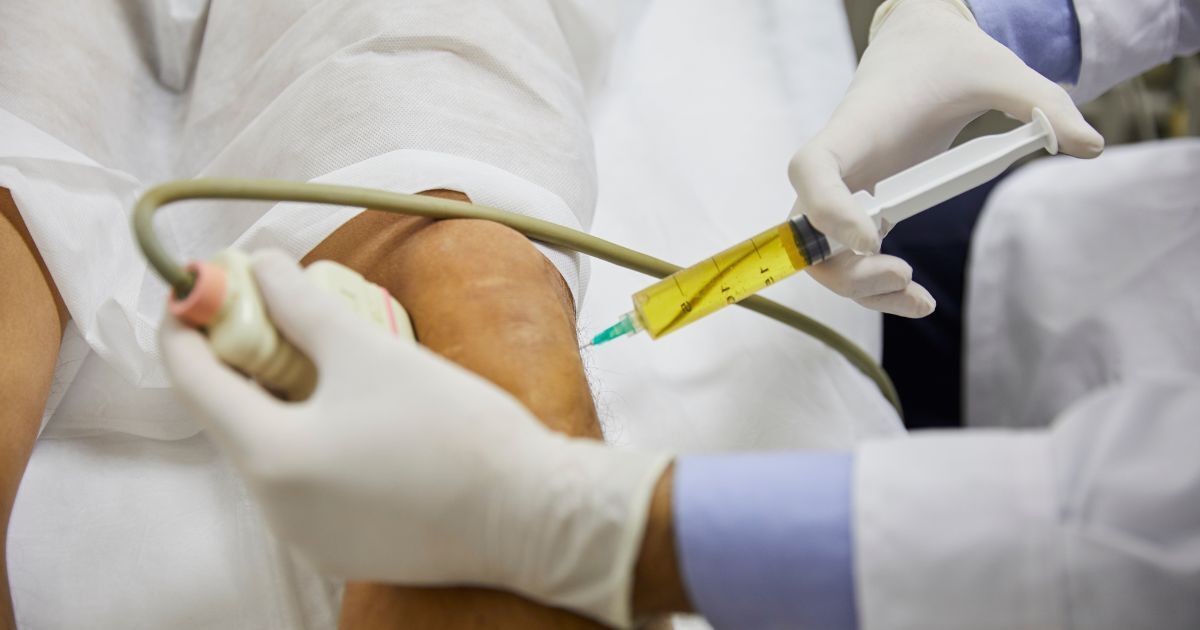
PRP uses a preparation created from the patient's own blood. Blood is collected and processed to concentrate platelets, then the platelet-rich preparation is administered to the targeted treatment area.
Platelets contain growth factors and signaling proteins involved in the body's natural tissue response.
PRP is commonly considered for conditions such as chronic tendinopathy, certain tendon injuries, knee osteoarthritis, plantar fasciitis, and ligament injuries. Whether PRP is appropriate depends on the patient's diagnosis, severity of tissue damage, medical history, and treatment goals.
PRP vs. Stem Cell Therapy: Which Is Right for You?
There is no universal answer. A patient with chronic tendon pain may have a different treatment pathway than someone with significant joint degeneration.
The right starting point is a thorough evaluation. Your provider should consider your diagnosis, imaging when clinically relevant, previous treatments, functional limitations, and recovery goals before recommending a regenerative procedure.
Be cautious of clinics that recommend the same injection package to nearly every patient or promise guaranteed tissue regeneration.
How to Evaluate a Miami Clinic Before You Commit
Before scheduling regenerative treatment, consider asking:
- Who will perform my medical evaluation?
- Who will perform the injection or procedure?
- What Florida professional license does the treating provider hold?
- What exactly is being administered?
- Where does the biological product come from?
- What is the FDA regulatory status of the treatment?
- What informed consent documentation will I receive?
- What risks and complications should I understand?
- What alternatives are available?
- What rehabilitation plan is recommended after treatment?
- How will my progress be measured?
A reputable provider should answer these questions clearly and give you time to consider your options.
Why Integrated, Patient-Centered Care Matters
The treatment surrounding a regenerative procedure can be just as important as the procedure itself.
After a musculoskeletal injury, the body may develop compensatory movement patterns. A patient with knee pain may begin shifting weight to the opposite leg. Someone with chronic low back pain may reduce hip movement and rely excessively on the lumbar spine.
These patterns do not necessarily disappear after an injection.
Physical therapy can identify movement limitations and build a personalized rehabilitation plan designed to improve strength, mobility, stability, and functional movement.
When spinal or joint mechanics are part of the clinical picture, individualized chiropractic care in Miami Beach may also be considered as part of a coordinated conservative care plan.
At PT & Chiro of Miami, our model is built around personalized, one-on-one care. Treatment plans are based on the patient's condition, symptoms, movement limitations, and individual recovery goals.
Begin Your Regenerative Care Conversation With PT & Chiro of Miami
You do not have to navigate regenerative medicine terminology and changing healthcare requirements alone.
If you are exploring stem cell therapy in Miami, Florida, in 2026, PRP, or other treatment options for a musculoskeletal condition, start with an individualized evaluation and clear discussion of your goals.
The team at PT & Chiro of Miami can evaluate your movement, functional limitations, and rehabilitation needs while helping you better understand how physical therapy and chiropractic care may fit into your recovery plan.
Call or text (305) 673-8248 or schedule a consultation with PT & Chiro of Miami.
Our clinic is located at 1111 Lincoln Road, Suite 310, Miami Beach, FL 33139.
Frequently Asked Questions
What is stem cell therapy Miami Florida 2026 compliance, and why does it matter?
Florida has established a regulatory framework addressing certain non-FDA-approved stem cell therapies. The requirements may involve eligible providers, treatment categories, informed consent, advertising disclosures, and product sourcing. Patients should verify the credentials of their treating provider and understand the regulatory status of any proposed treatment.
Which conditions does Florida's stem cell therapy framework address?
Florida's framework addresses certain qualifying stem cell therapies associated with orthopedics, wound care, and pain management. This does not mean every stem cell product or proposed treatment is authorized, FDA-approved, or clinically appropriate for every patient.
Does Florida law mean that stem cell treatments in Miami are FDA-approved?
No. A Florida state framework allowing certain qualifying treatments does not change a product's FDA approval status. Patients should receive clear information about whether a proposed treatment is FDA approved for its intended use.
What documentation should I expect from a regenerative medicine provider?
Patients should expect clear informed consent documentation that explains the proposed treatment, potential risks, possible complications, alternatives, and the applicable regulatory status of the treatment. Providers should also be able to explain the source of the biological product and who is responsible for the procedure.
How does PRP therapy differ from stem cell therapy?
PRP is prepared from a patient's own blood and concentrates platelets containing growth factors and signaling proteins. Stem cell therapies involve cellular products from specific biological sources. The procedures, regulatory considerations, and potential clinical applications differ. The appropriate option depends on the patient's diagnosis and treatment goals.
Can physical therapy be combined with regenerative medicine treatments?
Yes. Physical therapy may be coordinated with regenerative treatment when clinically appropriate. Rehabilitation can address strength, mobility, stability, and movement limitations that may persist in an injured area before or after a regenerative procedure.
How do I schedule a consultation at PT & Chiro of Miami?
Call (305) 673-8248 or use the PT & Chiro of Miami contact page to request a consultation. The clinic is located at 1111 Lincoln Road, Suite 310, Miami Beach, Florida 33139.
Joseph Hudson
Contact Me