If you are considering regenerative treatment in 2026, understanding Florida regulations for PRP injections is not optional. It is the difference between receiving care from a compliant, qualified provider and potentially choosing a clinic that does not follow appropriate regulatory standards.
Miami has seen significant growth in regenerative medicine services over the past several years. Not every clinic operates under the same structure or standards. This guide breaks down what Florida's PRP regulations may mean for you, what to look for in a provider, and why those details matter when considering platelet-rich plasma therapy.
What Florida PRP Injection Regulations Actually Cover in 2026
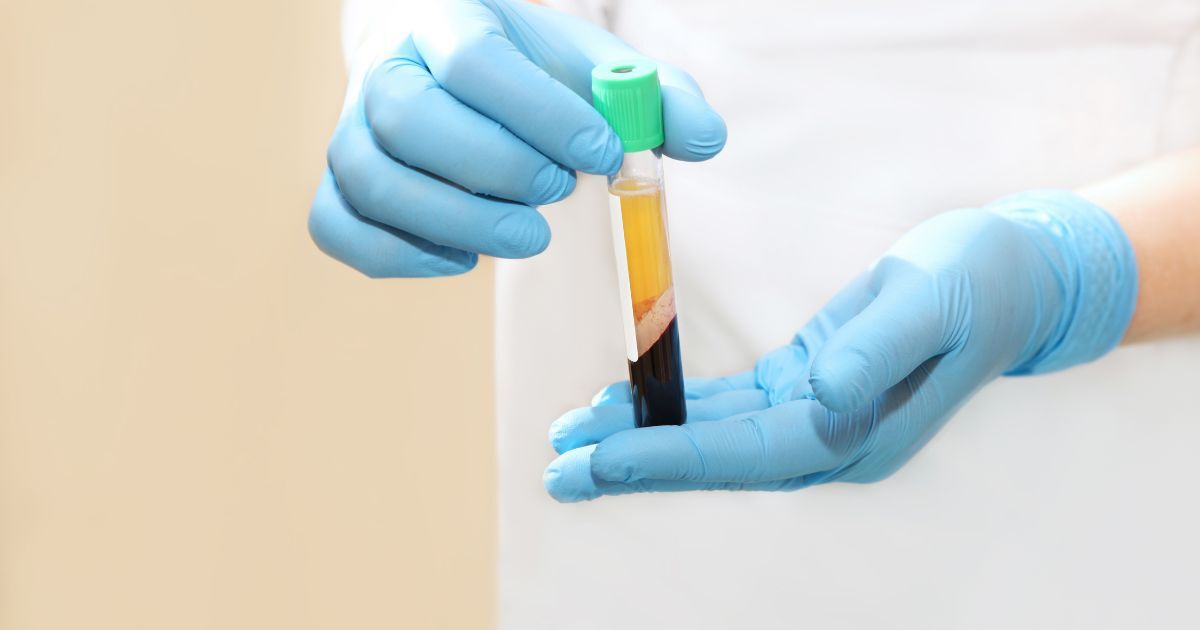
Platelet-rich plasma therapy is a regenerative treatment that involves drawing a small sample of your own blood, processing it to concentrate platelets, and then administering the prepared platelet-rich plasma to a targeted treatment area.
Platelets contain growth factors and other signaling proteins involved in the body's natural tissue response. The goal of PRP treatment is to use a concentrated preparation of a patient's own blood components as part of a clinically supervised treatment plan.
While the basic process may sound straightforward, the regulatory framework governing PRP treatment encompasses provider licensing, professional scope of practice, blood-handling procedures, facility requirements, informed consent, and clinical documentation.
Because PRP involves drawing blood, processing biological material, and administering treatment through a needle, patients should seek care from appropriately licensed medical professionals operating within their legal scope of practice.
The Florida Department of Health oversees professional licensing and scope-of-practice requirements for healthcare practitioners. Depending on a clinic's ownership, billing structure, and applicable exemptions, the Florida Agency for Health Care Administration may also regulate facility licensing.
Who Can Legally Perform PRP Injections in Florida?
One of the most important questions to ask before receiving PRP therapy is who will actually evaluate you, prepare the treatment, and perform the injection.
Physicians and Qualified Medical Practitioners
Florida-licensed physicians, including medical doctors and osteopathic physicians, may perform medical procedures that fall within their professional scope and training.
Other licensed healthcare professionals may have authority to participate in PRP care depending on their license, scope of practice, supervision arrangements, delegation rules, and the specific clinical setting.
Patients should never assume that a certificate from a private PRP training course automatically authorizes someone to perform injections. A training certificate does not replace an active Florida professional license or expand a practitioner's statutory scope of practice.
Why Provider Credentials Matter
Before treatment, ask for the name and professional credentials of the practitioner who will perform your procedure. You should understand what type of Florida license the provider holds and who is responsible for your medical evaluation and treatment plan.
A reputable Miami regenerative medicine clinic should be willing to explain its clinical structure clearly.
What About Clinic Ownership and Licensing?
Florida healthcare clinic licensing can depend on several factors, including clinic ownership, the types of services provided, reimbursement arrangements, and whether a statutory exemption applies.
The Florida Agency for Health Care Administration administers the state's Health Care Clinic Act. Some clinics may require an AHCA health care clinic license, while others may operate under a statutory exemption.
For patients, the practical question is simple: ask the clinic what licensing or exemption framework it operates under and who holds responsibility for clinical oversight.
How Florida Clinic Requirements Affect Your PRP Care
Clinic compliance is more than a piece of paper displayed in a hallway. The structure of a medical practice can affect clinical oversight, documentation, patient safety protocols, and accountability.
What Compliance Looks Like in Practice
A properly structured Miami clinic offering PRP treatment should be able to clearly explain:
- Who performs the medical evaluation
- Who performs the PRP procedure
- What Florida licenses those practitioners hold
- Who is responsible for clinical oversight
- How informed consent is documented
- How patient treatment records are maintained
- What infection control and blood-handling procedures are followed
- What follow-up care is provided after treatment
Because PRP involves blood collection and processing, clinics must also take appropriate precautions related to bloodborne pathogens, infection control, and safe handling of biological material.
Why This Matters for You as a Patient
These requirements and professional standards exist to protect patients. When your care is delivered by appropriately licensed providers in a properly structured clinical setting, there is greater accountability throughout the treatment process.
A licensed healthcare professional is accountable to the applicable Florida licensing board. Clinics subject to facility regulation may also have additional compliance obligations.
If a clinic cannot clearly explain who is responsible for your treatment or what credentials the administering provider holds, consider that a reason to ask more questions before proceeding.
Learn more about the personalized physical therapy services at PT & Chiro of Miami and how individualized rehabilitation may support your broader recovery plan.
What the 2026 Florida Regulatory Landscape Means for Regenerative Therapy
The broader regulatory environment surrounding regenerative medicine continues to receive significant attention from Florida lawmakers, professional licensing boards, and federal regulators.
PRP is distinct from stem cell therapy. Patients should be cautious about clinics that use terms such as PRP, stem cells, biologics, exosomes, and regenerative medicine interchangeably. These products and procedures may be subject to different legal and regulatory requirements.
Informed Consent Is Not a Formality
Before receiving regenerative treatment, patients should receive a clear explanation of the proposed procedure, its intended purpose, potential risks, reasonable alternatives, and expected recovery process.
A consent form should not replace a conversation with your provider. You should have the opportunity to ask questions and understand the recommended treatment before the procedure begins.
This is especially important when discussing regenerative medicine, as marketing language can sometimes outpace the available clinical evidence.
Understanding FDA Oversight and PRP
The FDA regulates medical devices used in the collection and preparation of blood products. PRP preparation systems may be subject to FDA medical device requirements, including applicable clearance pathways.
Patients should understand that FDA clearance of a preparation device is not necessarily equivalent to FDA approval of PRP for every condition a clinic may treat.
A qualified provider should be able to explain the intended use of PRP in your individual treatment plan and discuss the available clinical evidence without promising guaranteed results.
What to Ask a Miami Provider Before Your PRP Treatment
You deserve clear answers before undergoing any regenerative medicine procedure. Consider asking the following questions during your consultation:
- What Florida license does the practitioner performing my procedure hold?
- Who is responsible for my medical evaluation and treatment plan?
- Does the clinic require an AHCA health care clinic license, or does it operate under an exemption?
- How is informed consent documented?
- What PRP preparation system is used?
- Is the preparation device FDA-cleared for its intended use?
- How does the clinic evaluate platelet concentration and PRP quality?
- Will my injection be image-guided when clinically appropriate?
- What rehabilitation or follow-up care is recommended after the procedure?
- What results are realistic for my specific diagnosis?
A reputable provider should be willing to answer these questions clearly. If you feel pressured to pay for treatment before receiving understandable answers, consider seeking another opinion.
How Compliance Protects Your Recovery, Not Just Your Rights
Understanding the rules surrounding PRP injections in Florida is not only about legal compliance. It is also about choosing a clinical team that takes your recovery details seriously.
Proper provider credentials, informed consent, treatment documentation, blood-handling protocols, and appropriate equipment all contribute to a more accountable treatment environment.
PRP may also be most useful when incorporated into a broader treatment plan tailored to the patient's condition and functional limitations.
For many musculoskeletal conditions, rehabilitation remains an important part of recovery. Targeted exercise, mobility work, manual therapy, and movement retraining may help address the biomechanical factors associated with an injury.
At PT & Chiro of Miami, patients have access to one-on-one physical therapy and personalized chiropractic care as part of an individualized approach to musculoskeletal recovery.
Choosing Regenerative Care in Miami in 2026
Regenerative medicine is an evolving area of healthcare. Patients should be especially cautious of exaggerated claims, guaranteed outcomes, or clinics that suggest a single injection can address every source of pain.
The right provider should begin with an evaluation. Your diagnosis, symptoms, functional limitations, medical history, and previous treatment response should all be considered before PRP is recommended.
At PT & Chiro of Miami, our approach to patient care is individualized and built around your specific needs. Our team provides one-on-one care and takes the time to understand your condition, movement limitations, and recovery goals.
If you are ready to explore whether regenerative therapy may be appropriate for you, call or text (305) 673-8248 or schedule a consultation with PT & Chiro of Miami.
Frequently Asked Questions
What are the current PRP injection regulations in Florida for 2026?
PRP treatment in Florida must be provided within the applicable professional scope of practice and healthcare regulatory framework. Patients should confirm that the practitioner performing the procedure holds an appropriate Florida license and that the clinic follows applicable facility, clinical oversight, informed consent, documentation, and blood-handling requirements.
Can a nurse perform PRP injections legally in Florida?
Whether a nurse may participate in or perform a PRP procedure depends on the practitioner's specific Florida license, scope of practice, delegation rules, supervision requirements, and clinical setting. Patients should ask who will perform the injection and what professional license that individual holds.
Does a Miami PRP clinic need an AHCA license?
Some Florida healthcare clinics require a license from the Agency for Health Care Administration, while others may qualify for a statutory exemption. The answer depends on the clinic's ownership, services, billing structure, and other factors. Patients may ask a clinic whether it is AHCA licensed or operating under an applicable exemption.
Is PRP therapy FDA approved?
PRP is subject to a nuanced federal regulatory framework. Medical devices used to prepare PRP may have FDA clearance for specific intended uses, but device clearance does not mean PRP is FDA-approved for every musculoskeletal condition. Patients should ask their provider to explain how PRP is being used in their specific treatment plan.
How do PRP injections fit into a physical therapy or chiropractic treatment plan?
PRP may be incorporated into a broader treatment plan for certain musculoskeletal conditions. Physical therapy can address strength, mobility, and movement patterns, while chiropractic care may address spinal and joint mechanics when appropriate. The treatment plan should be based on the patient's diagnosis and individual needs.
What should I look for when choosing a Miami PRP provider?
Ask about the administering provider's Florida license, clinical oversight, clinic licensing or exemption status, informed consent procedures, PRP preparation equipment, infection control protocols, treatment documentation, and follow-up care. A qualified provider should answer these questions clearly.
What conditions are commonly treated with PRP therapy?
PRP is commonly discussed for musculoskeletal conditions such as chronic tendinopathy, certain tendon injuries, knee osteoarthritis, plantar fasciitis, and ligament injuries. Whether PRP is appropriate depends on the diagnosis, severity of the condition, medical history, and individual treatment goals.
Joseph Hudson
Contact Me