If you are dealing with pain, stiffness, or an injury, you may see clinics advertise both physical therapy and manual therapy. That naturally raises a common question:
Is manual therapy the same thing as physical therapy?
They are related, but not identical. Manual therapy is a specialized set of hands-on techniques that can be used as part of a physical therapy plan. Understanding how each works can help you choose the right clinic and the right approach for your recovery.
Quick Definitions
What Is Physical Therapy?
Physical therapy (PT) is a healthcare service focused on reducing pain, restoring mobility, improving strength, and helping people return to everyday activities. A licensed physical therapist evaluates your condition, identifies movement limitations, and builds a treatment plan that may include exercise, education, hands-on care, and other clinically appropriate methods.
What Is Manual Therapy?
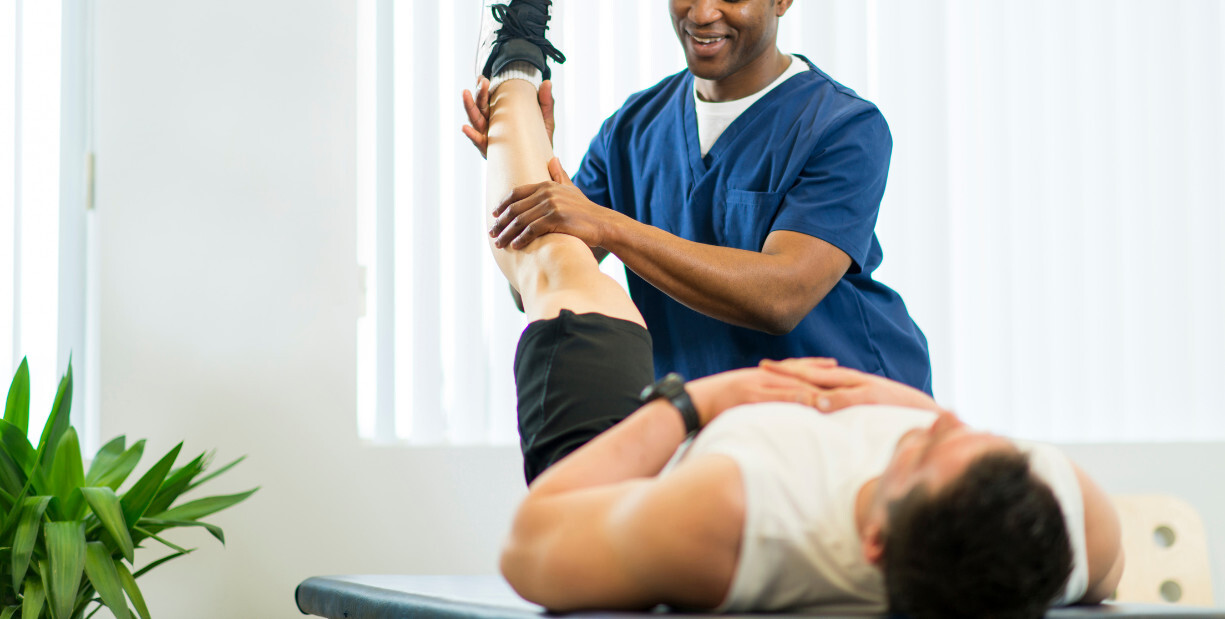
Manual therapy is a hands-on approach used by trained providers to treat muscles, joints, and soft tissue. It can include joint mobilization, manipulation, myofascial work, trigger point release, stretching techniques, and other skilled methods intended to improve motion and reduce pain.
In most cases, manual therapy is best thought of as a subset of physical therapy, not a separate alternative to it.
Physical Therapy vs Manual Therapy: The Key Differences
1. Scope of Care
Physical therapy is broader. It includes evaluation, diagnosis within scope, treatment planning, exercise progression, education, return-to-sport or return-to-work planning, and long-term prevention strategies.
Manual therapy is more specific. It focuses on hands-on techniques to restore joint and soft tissue mobility and to decrease pain.
2. Tools Used
Physical therapy may include:
- Therapeutic exercise and strengthening
- Mobility and stability training
- Balance and gait training
- Education on posture, movement, and injury prevention
- Conditioning and performance-based rehab
- Hands-on care (including manual therapy) when appropriate
Manual therapy may include:
- Joint mobilization (graded movement to improve joint motion)
- Soft tissue mobilization (muscle and fascia work)
- Myofascial release and trigger point techniques
- Assisted stretching and mobility techniques
- Neurodynamic techniques (when clinically indicated)
3. What It Feels Like as a Patient
Physical therapy often includes guided movement, exercise, and progressive loading. Manual therapy is typically hands-on and may feel like focused pressure, stretching, or joint movement.
4. What Produces Lasting Results
Manual therapy can help reduce pain and improve mobility quickly, but the results are most durable when paired with exercise and movement retraining. Physical therapy provides the structure to build strength, stability, and long-term resilience so the problem is less likely to come back.
Which Is Better: Physical Therapy or Manual Therapy?
The best answer is usually: the right combination of both.
Manual therapy can be extremely helpful when pain or stiffness is limiting your movement. Physical therapy builds on that improvement through strengthening, mobility work, and functional training to support long-term recovery.
Manual therapy may be a good fit when:
- You feel “stuck” or restricted in a joint
- Your pain increases with certain movements
- You have muscle tightness or protective guarding
- You need faster improvement in mobility to begin strengthening
Physical therapy may be a good fit when:
- You need to rebuild strength after injury or surgery
- You are returning to sports or demanding work activities
- You have balance, gait, or movement control issues
- You want a long-term plan to prevent re-injury
Common Conditions Where Both Help
In many cases, a blended approach is ideal. Physical therapy plus manual therapy is often used for:
- Neck and back pain
- Sciatica
- Shoulder impingement and rotator cuff pain
- Hip pain and mobility restrictions
- Knee pain and overuse injuries
- Sports injuries
- Post-surgical stiffness and weakness
- Chronic pain patterns related to movement dysfunction
Why Clinic Choice Matters
Not every clinic delivers the same level of care. Some clinics rely heavily on passive modalities, while others provide hands-on manual therapy combined with individualized rehab.
When comparing options, look for a clinic that offers thorough evaluations, one-on-one attention, and a plan that progresses from symptom relief to long-term function.
Physical Therapy and Manual Therapy in Miami
At PT & Chiro of Miami, we use manual therapy when it helps you move better and feel better, then we reinforce those gains with progressive physical therapy to restore strength, stability, and confidence.
Our approach emphasizes:
- Hands-on care when appropriate
- Movement-based rehab and strengthening
- Clear goals and measurable progress
- Education and prevention so symptoms don’t keep coming back
If you are unsure what you need, an evaluation can help identify the root cause and the right treatment plan.
Joseph Hudson
Contact Me