Miami is a runner’s city. Between the waterfront paths, year-round warmth, and a strong fitness culture, it is easy to stay consistent. The downside is that consistent training in heat, humidity, and on hard surfaces can also increase your odds of getting sidelined. If you are dealing with running injuries Miami runners commonly face, looking for sports physical therapy Miami, or searching for a chiropractor for runners, this guide is for you.

Below is a practical injury-prevention plan built around what works: smart training habits, early symptom management, and preventative care that keeps your stride efficient. The goal is simple: run more, hurt less, and recover faster.
Why Runners in Miami Get Injured More Often Than They Expect
Most running injuries are not a single “bad step.” They are an overload problem. In Miami, overload happens faster because:
- Heat and humidity increase fatigue, and fatigue changes mechanics
- Hard surfaces (concrete, sidewalks, bridges) increase impact forces
- Sudden mileage spikes happen when the weather is nice every week
- Minimal strength training leaves hips, calves, and feet underprepared
- Tightness and joint restriction can shorten stride and shift load into vulnerable tissues
Miami-Specific Training Tips to Prevent Running Injuries
1) Treat Heat Like an Intensity Multiplier
Summer in Miami is not the time to chase PRs every week. Heat drives heart rate up and can make an “easy run” feel moderate or hard. When fatigue rises, form tends to fall apart. Adjust by:
- Running earlier (sunrise runs usually feel significantly better)
- Using effort-based pacing instead of strict pace targets
- Reducing intensity or volume on the hottest days
- Prioritizing hydration and electrolytes for long runs
2) Rotate Surfaces and Routes
If most of your miles are on concrete, your tissues are absorbing repeated impact. Switching surfaces can reduce repetitive stress:
- Mix in softer terrain when possible (parks, tracks, packed paths)
- Avoid the same cambered roads daily (camber can irritate hips and IT band)
- Alternate routes to vary slopes, turns, and loading patterns
3) Follow the “Two Levers” Rule: Do Not Increase Volume and Speed at the Same Time
Many runners ramp up mileage and add speedwork in the same month, then wonder why the Achilles or knee flares. Pick one lever at a time:
- Increase weekly mileage gradually, or
- Add intensity (tempo, intervals, hills)
If you must do both due to an upcoming race, reduce total intensity or add a recovery week sooner.
4) Strength Train Like It Is Part of the Run Plan
Strength training is injury insurance. The most protective areas for runners are:
- Calves and foot strength for Achilles, plantar fascia, and shin issues
- Glutes and hips for knee tracking, IT band symptoms, and hip pain
- Core and trunk control to reduce compensations and “collapse” late in runs
Common Running Injuries in Miami and What They Usually Mean
Here are the most common patterns we see when runners search for running injuries Miami and what typically drives them. This is not a diagnosis, but it can help you decide how to respond early.
Runner’s Knee (Patellofemoral Pain)
- Common signs: pain around or behind the kneecap, worse with stairs or downhills
- Often related to: hip weakness, poor single-leg control, sudden mileage increases
- Prevention focus: glute strength, step-down control, gradual hills progression
IT Band Syndrome
- Common signs: sharp pain on the outer knee that appears at a predictable distance
- Often related to: weak hips, repeated same-side camber, poor trunk control
- Prevention focus: lateral hip strength, route rotation, stride efficiency work
Plantar Fasciitis
- Common signs: heel pain first steps in the morning, worse after long standing or runs
- Often related to: calf stiffness, foot weakness, rapid volume increase, shoe changes
- Prevention focus: calf strength, foot intrinsics, load management
Achilles Tendinitis / Tendinopathy
- Common signs: pain or thickening in the Achilles, worse after speedwork or hills
- Often related to: calf weakness, sudden intensity changes, poor ankle mobility
- Prevention focus: progressive calf loading, careful speed progression
Shin Splints (Medial Tibial Stress Syndrome)
- Common signs: aching along the inner shin, worse with impact
- Often related to: rapid mileage changes, weak calves, insufficient recovery
- Prevention focus: calf endurance, smarter weekly ramps, surface variety
Hip Pain and Hip Flexor Strain
- Common signs: pinching or soreness at the front/side of the hip, worse with longer strides
- Often related to: limited hip mobility, weak glutes, overstriding, sitting all day
- Prevention focus: hip mobility, glute strength, stride adjustments
How Sports Physical Therapy in Miami Helps Runners Stay Healthy
Sports physical therapy Miami runners rely on is not just rehab after injury. It can be preventative. A good PT plan identifies what is loading too much, too soon and then fixes the why.
What a Runner-Focused PT Plan Often Includes
- Running form and movement assessment (single-leg mechanics, control, mobility)
- Strength testing for calves, hips, and trunk endurance
- Mobility plan focused on ankles, hips, and thoracic rotation
- Progressive loading program (calf raises, step-downs, split squats, etc.)
- Return-to-run guidance if you are coming back from pain or time off
Learn more about runner-focused rehab and prevention through Physical Therapy.
How a Chiropractor for Runners Can Support Performance and Recovery
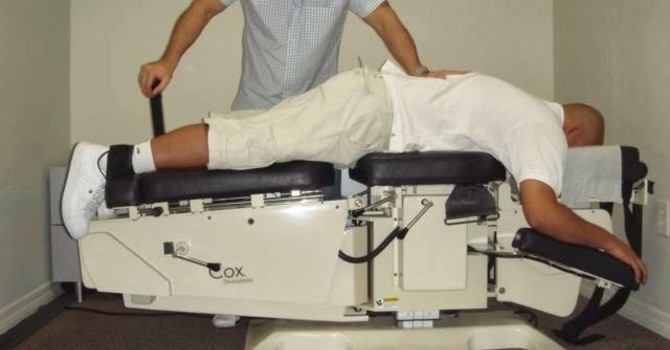
Many runners carry stiffness in the mid-back, hips, and spine that changes stride efficiency. A chiropractor for runners can help address restricted motion and mechanical tension that makes your body compensate.
What Chiropractic Care Can Help With
- Spinal and hip stiffness that limits rotation and stride fluidity
- Mechanical low back or mid-back pain linked to training volume
- Postural restrictions that affect breathing and rib movement
- General mobility support when paired with strength work
Chiropractic care is most effective when it is paired with a strengthening plan so you keep the improved motion between visits. Learn more about Chiropractic Care.
A Simple Weekly Injury-Prevention Template for Miami Runners
Here is a practical template you can adapt to most training plans:
- 2 strength sessions/week (calves + hips + core, 30 to 45 minutes)
- 1 mobility session/week (hips, ankles, mid-back, 15 to 20 minutes)
- 1 recovery-focused day (easy run, walk, or light cross-training)
- 1 form check-in (short strides, cadence cue, posture cue)
The goal is not doing everything. It is doing the right basics consistently.
When to Get Evaluated Instead of “Running Through It”
It is time to get help if you notice any of the following:
- Pain that changes your gait or causes limping
- Pain that returns at the same mile marker every run
- Symptoms that worsen week to week
- Sharp pain, swelling, or tenderness that does not calm down with rest
- Foot or ankle pain that is worse first thing in the morning (common with plantar fascia issues)
Preventative Runner Services at PT & Chiro Miami
Preventative care is not just for elite athletes. It is for anyone who wants to stay consistent without constant setbacks. Runner-focused care may include:
- Movement and strength screening to find your injury risks early
- Hands-on care for mobility restrictions and tissue irritation
- Customized strengthening plan for your training phase
- Return-to-run programming after pain or time off
- Guidance on training progression, surface changes, and recovery
Book a Runner Injury Prevention Evaluation in Miami
If you want a plan to reduce injury risk, improve recovery, and keep you running strong, PT & Chiro Miami can help. Call (305) 673-8248 or book here: https://ptcmiami.com/contact.
FAQ: Preventing Running Injuries in Miami
What are the most common running injuries in Miami?
Common issues include plantar fasciitis, Achilles tendinopathy, runner’s knee, IT band syndrome, shin splints, and hip pain. Heat, fatigue, hard surfaces, and rapid training changes often play a role.
Is sports physical therapy in Miami only for injured runners?
No. Sports physical therapy can be preventative. Many runners use PT to improve mechanics, fix strength gaps, and build a safer plan before pain becomes a real injury.
How can a chiropractor help runners?
Chiropractic care can help reduce stiffness and restore motion in the spine and hips, which may support more efficient stride mechanics. It tends to work best when combined with strengthening and load management.
When should I stop running and get evaluated?
Stop and get assessed if pain changes your gait, worsens week to week, or returns predictably at the same mileage. Early evaluation can prevent minor irritation from turning into a long-term injury.
How do I schedule a runner evaluation at PT & Chiro Miami?
Call (305) 673-8248 or book online at https://ptcmiami.com/contact.
Joseph Hudson
Contact Me