Soft tissue release techniques for athletes include methods like myofascial release, trigger point therapy, IASTM, and active release technique (ART). These techniques reduce muscle tightness, improve flexibility, enhance recovery, and help prevent injury during training and competition.
Why Athletes Need Soft Tissue Work
Repetitive movements, high training volumes, and competition intensity often leave athletes with tight muscles, restricted mobility, or minor tissue damage. Without proper recovery, these issues can lead to injury or poor performance.
Soft tissue release (STR) is a set of techniques that loosen tight or injured muscle tissue, improve circulation, and restore range of motion. At PT & Chiro of Miami, we tailor STR to fit each athlete's needs based on sport, condition, and performance goals.
Top Soft Tissue Release Techniques for Athletes
1. Myofascial Release
This technique targets the fascia, the connective tissue surrounding muscles. Gentle, sustained pressure helps release adhesions and improve tissue glide. It’s especially useful for athletes with stiffness, postural imbalances, or chronic tightness.
2. Trigger Point Therapy
Focused pressure is applied to hyperirritable knots in muscle tissue known as trigger points. Releasing these points can reduce referred pain, muscle spasms, and tightness, helping athletes return to full function quickly.
3. Active Release Technique (ART)
ART combines movement and tension. The therapist applies pressure to a muscle while the athlete actively moves through a range of motion. It’s especially effective for treating overuse injuries like runner’s knee, shin splints, and tennis elbow.
4. Instrument-Assisted Soft Tissue Mobilization (IASTM)
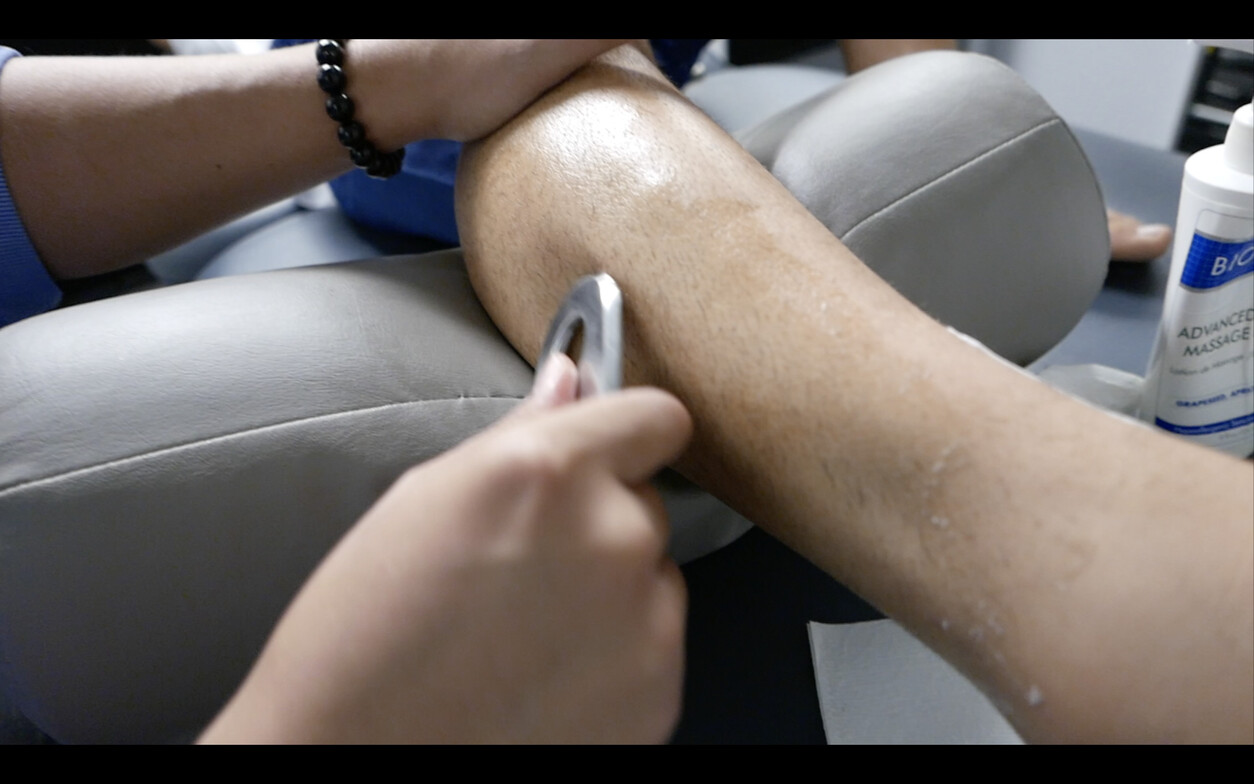
Tools like Graston or stainless-steel instruments help break down scar tissue, increase blood flow, and mobilize fascia. It’s ideal for recovering from sprains, strains, or chronic inflammation.
5. Deep Tissue Mobilization
This involves slow, sustained pressure into the deeper layers of muscle and fascia. It helps release chronic tension and realign tissue fibers that may have become disorganized due to repetitive motion or injury.
6. Cupping Therapy
Cupping creates negative pressure on the skin and underlying tissues. It helps increase blood flow, improve lymphatic drainage, and reduce soreness, making it popular among swimmers, weightlifters, and endurance athletes.
7. Stretching + Soft Tissue Integration
Soft tissue techniques are often followed by active or assisted stretching to reinforce new mobility gains and prevent future tension build-up.
Benefits for Athletic Performance and Recovery
- Faster muscle recovery post-training
- Improved joint mobility and range of motion
- Reduced risk of injury
- Less muscle soreness and tightness
- Better biomechanics and movement efficiency
Whether you’re a runner, dancer, weightlifter, or competitive athlete, STR techniques can play a key role in your training plan.
When to Incorporate STR
- Pre-season: To correct imbalances before ramping up training
- In-season: To manage overuse injuries and maintain performance
- Post-competition: To recover faster and avoid lingering soreness
- Rehab: To treat soft tissue injuries and rebuild proper movement patterns
Integrating STR With Other Therapies
At PT & Chiro of Miami, soft tissue release techniques are combined with chiropractic adjustments, corrective exercises, dry needling, and manual therapy to create a complete, sport-specific recovery protocol.
Frequently Asked Questions (FAQ)
Is soft tissue release only for injured athletes?
No. While it's useful for injury recovery, STR is also valuable for injury prevention, mobility, and performance enhancement.
How often should athletes get soft tissue work?
It depends on training volume and goals. Weekly or bi-weekly sessions are common during peak training periods.
Does soft tissue release hurt?
Some discomfort is normal, especially in tight or restricted tissue. However, pain should always be tolerable and temporary.
What sports benefit most from STR?
All sports. From runners and swimmers to football players and dancers, anyone who trains hard can benefit from soft tissue work.
Can I do soft tissue release at home?
Yes, foam rolling, massage guns, and mobility tools can help. But clinical STR by trained providers targets issues more precisely.
Book an Athlete Recovery Session Today
Want to feel stronger, move better, and recover faster? Our team at PT & Chiro of Miami specializes in sports recovery and injury prevention, using the latest soft-tissue techniques. Book your appointment today and experience the difference.
Joseph Hudson
Contact Me