Featured Snippet Answer:
Soft tissue manipulation is a hands-on therapeutic technique used by physical therapists and chiropractors to treat muscles, fascia, tendons, and ligaments. It helps reduce pain, release tension, increase circulation, and promote faster recovery from injuries.
Understanding Soft Tissue Manipulation
Soft tissue manipulation (STM) is a targeted manual therapy approach focused on the muscles and connective tissue that support your joints and skeleton. Unlike general massage, STM is goal-oriented and used to treat specific musculoskeletal conditions.
At PT & Chiro of Miami, we use soft tissue manipulation as part of personalized treatment plans for pain relief, injury recovery, and performance optimization.
How Does Soft Tissue Manipulation Work?
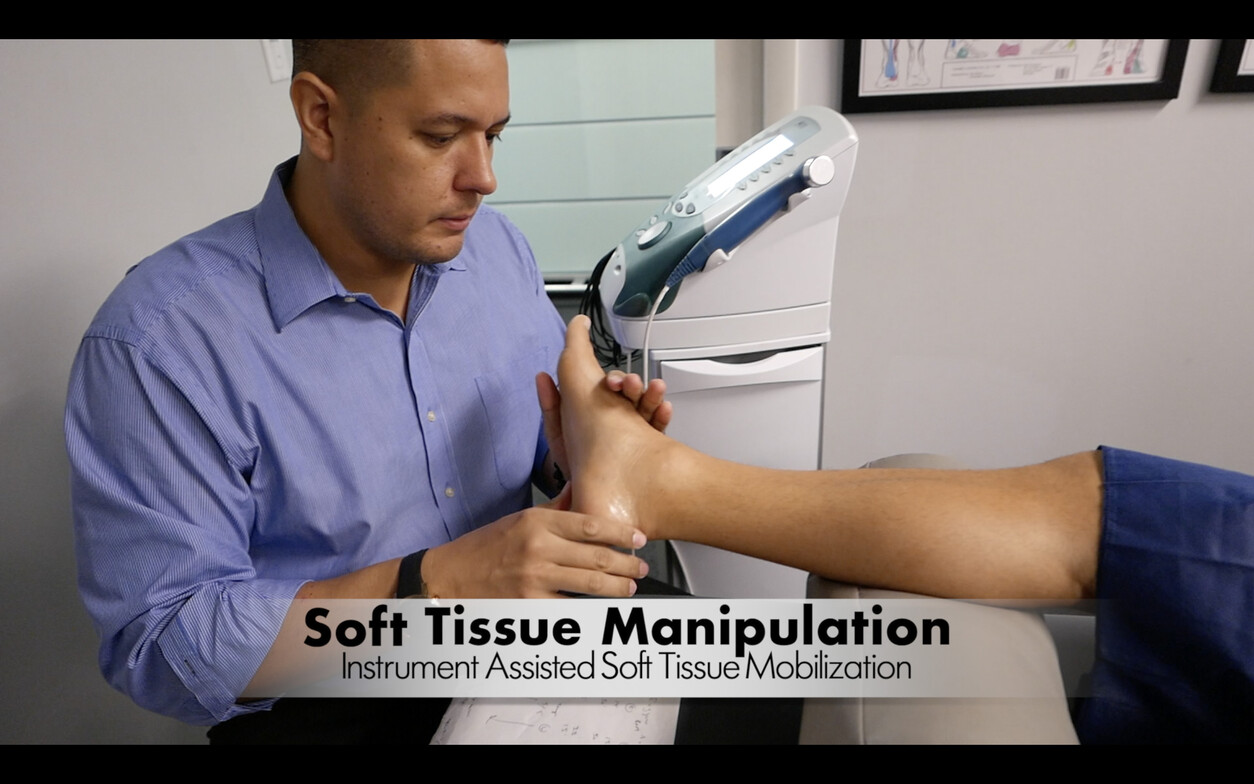
Using their hands, fingers, knuckles, or tools, clinicians apply controlled pressure, friction, and stretching to areas of tension or dysfunction. Techniques vary depending on your symptoms, but may include:
- Myofascial release
- Cross-fiber friction massage
- Trigger point therapy
- Deep tissue mobilization
- Instrument-assisted soft tissue mobilization (IASTM)
The goal is to break down adhesions, improve tissue glide, enhance blood and lymphatic flow, and restore muscle function.
Conditions Treated With Soft Tissue Manipulation
- Back and neck pain
- Sports injuries
- Post-surgical rehabilitation
- Carpal tunnel syndrome
- Plantar fasciitis
- Scar tissue and fibrosis
- Tendinitis and repetitive strain injuries
- Whiplash and sprains
Key Benefits of Soft Tissue Manipulation
- Relieves muscle tension: Especially in overused or injured tissues
- Improves mobility: Releases fascia restrictions and improves flexibility
- Accelerates healing: Boosts circulation and removes waste products
- Reduces pain: Alleviates nerve compression and muscular imbalance
- Breaks down scar tissue: Essential for post-op or post-trauma recovery
What to Expect During a Session
Each session is tailored to your needs. You may experience deep pressure, mild discomfort, or a “good hurt” feeling during manipulation, especially if trigger points are present. Your provider may combine STM with stretching, movement re-education, or exercise therapy.
You might feel sore for a day or two afterward—similar to post-workout soreness—as the tissue adapts and heals.
Is Soft Tissue Manipulation Right for You?
STM is ideal for patients recovering from acute or chronic injuries, athletes managing high training loads, or anyone experiencing mobility restrictions, tension, or inflammation. It is often combined with other therapies such as chiropractic adjustments, dry needling, or corrective exercises for optimal results.
Schedule an appointment with PT & Chiro of Miami today to see how soft tissue manipulation can support your health and performance.
Frequently Asked Questions (FAQ)
Is soft tissue manipulation the same as massage?
No. While both use hands-on techniques, STM is more clinical and focused on treating dysfunction in muscles, tendons, and fascia—not just relaxation.
Does soft tissue manipulation hurt?
Some discomfort is normal, especially in tense or injured tissue, but it should never be intolerable. Always communicate with your provider during the session.
How many sessions do I need?
It depends on your condition. Acute injuries may resolve in a few visits, while chronic issues may require ongoing treatment alongside other therapies.
Is it safe for everyone?
STM is safe for most people but may be modified or avoided for certain conditions (e.g., open wounds, blood clots, or acute inflammation). We assess each case individually.
Can STM be combined with other treatments?
Yes. In fact, it’s most effective when integrated into a broader rehab plan with physical therapy, chiropractic, or exercise programming.
Joseph Hudson
Contact Me